Qingyuan moksha Biotechnology Co., Ltd


Hyaluronic acid is one of the most recognised hydrating ingredients in skincare and, for that reason, the one most often treated as a finished input: add it, print the claim, move on. In practice the different molecular weight grades behave differently in hydration depth, texture and stability. Hyaluronic acid is not one ingredient but a family of grades, and choosing and combining them is the actual formulation work.
Molecular Weight Sets the Hydration Layer
High molecular weight grades form a film on the surface and slow water loss, with a smooth, slightly slippery feel. Medium grades balance surface hydration with some perceived penetration. Low and oligo grades penetrate further but hold less water on their own. A product that reads as both immediately hydrated and durably moisturised usually combines at least two grades.
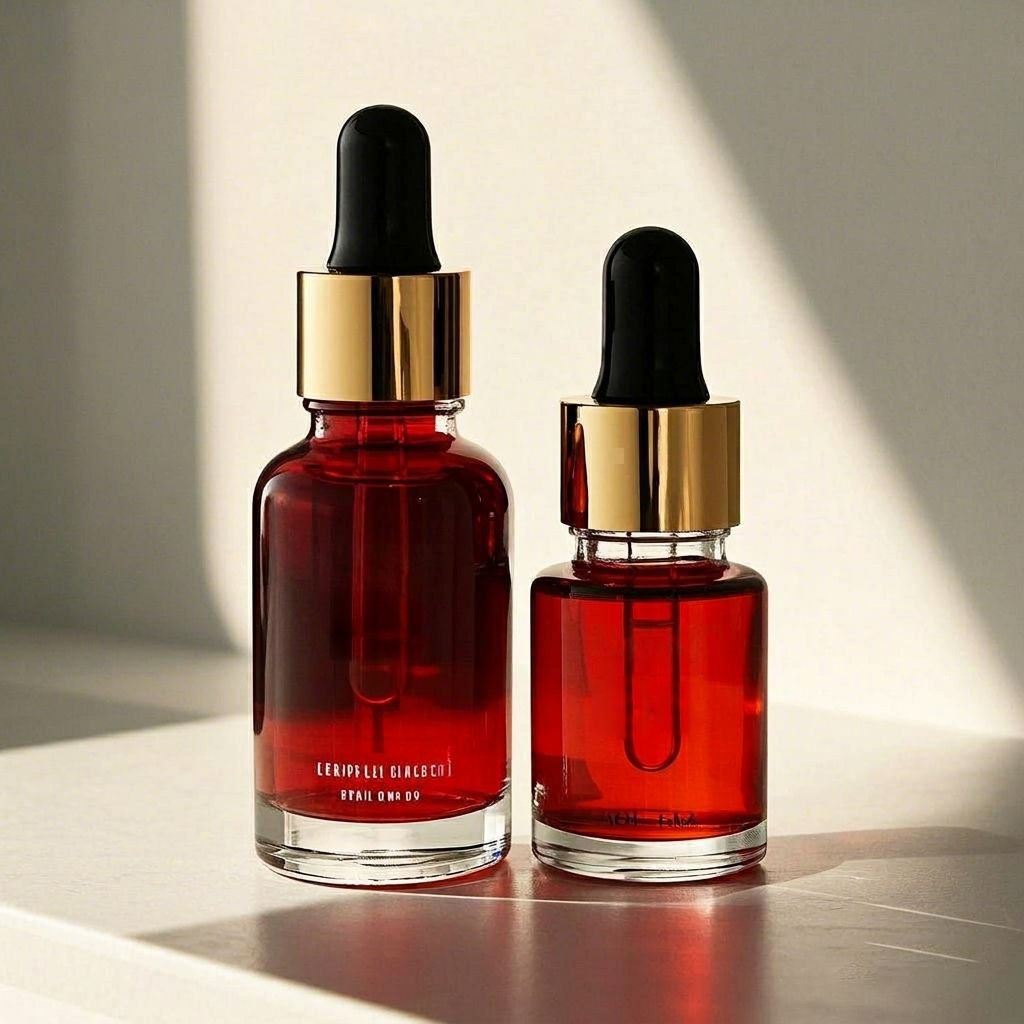
Blend ratio follows positioning. A light watery essence can lean on lower grades, while a richer cream raises the high molecular weight share. Changing the ratio moves texture and stability at the same time, so it should be adjusted as one decision rather than two. A hydrating reference is shown in this hyaluronic acid B5 serum.
Tackiness and Pilling: Where Texture Goes Wrong
The familiar complaints are stickiness and pilling. High load, high electrolyte content, or co-existence with certain thickeners turns a smooth product tacky. Tackiness usually appears in the middle of the drying phase, so panels should score the product several minutes after application rather than immediately.
Pilling relates mainly to film-forming ingredients and becomes more likely when products are layered. Testing the product inside the routine it will actually be used in is closer to reality than testing it alone. Because the effect builds through the drying phase, panel instructions should also fix the ambient conditions, since humidity alone can move a score by a whole point.
Compatibility With Common Actives
Hyaluronic acid itself is well tolerated, but viscosity and clarity can shift when it meets electrolytes or particular preservation systems. Compatibility problems rarely show in the formula sheet; they show in the sample.
Niacinamide, panthenol and peptides are common partners. Where a combination is planned, confirm that the pH windows overlap, otherwise one component loses stability quickly. Finding the pH overlap first and setting load levels afterwards saves a great deal of rework. Laboratory and cleanroom capability is described in the workshop overview.
Stability and Batch Consistency
Hyaluronic acid degrades at elevated temperature, and the first visible sign is a drop in viscosity rather than any change in appearance. Viscosity at each accelerated checkpoint is worth recording as its own item. Viscosity drift is among the most sensitive ageing signals in this type of formula and deserves a dedicated specification line.
The raw material side needs control too. Grades from different suppliers differ in molecular weight distribution, which transfers directly into finished viscosity and feel. Re-confirming viscosity and texture whenever a supplier changes is a low-cost insurance step.
Pack Format and In-Use Behaviour
Low-viscosity aqueous products place different demands on the pack: pump output, residue at the neck and hygiene of a dropper all change the experience. A pack that does not suit the formula will lose the sensory work done in development.
Larger packs also need a realistic period-after-opening statement, since a more open pack places more pressure on the preservation system. Droppers, pumps and airless bottles each change how much air the contents meet between uses, and that difference belongs in the preservation strategy rather than in a footnote. Fix the in-use period and the pack format together so the formula has a defined target. Credentials appear on the about us page, the wider range is listed under the product range, and specifications can be sent through the contact page.
Hyaluronic acid products look like a mature category, and the differentiation sits in grade blending and system stability. Work out the hydration layers, the texture limits and the viscosity drift, and the project becomes predictable.
Frequently asked questions
Can you produce Hyaluronic Acid Molecular Weight in Private Label Skincare under our own brand?
Hyaluronic Acid Molecular Weight in Private Label Skincare is handled as a private label project: you bring the brand and the market position, we cover formula, bulk, filling and packing. Existing bases can be adjusted for texture, fragrance and active level, or we develop from a new brief. Tooling and artwork belong to you, and our name does not appear on the pack.
What is the minimum order quantity?
MOQ is set by net fill per unit, not by category:
| Net fill | MOQ |
|---|---|
| < 15 ml/g | 5,000 pcs |
| 15-50 ml/g (50 included) | 3,000 pcs |
| 50-200 ml/g (200 included) | 2,000 pcs |
| > 200 ml/g | 1,000 pcs |
Several SKUs in one project can share a production run to reach the threshold, and a smaller trial order is possible once the formula is approved.
How long do samples and bulk production take?
Samples take 7-10 working days from a confirmed brief, or 10-15 days when a new mould or artwork is involved. Bulk runs 25-35 days after sample approval and packaging arrival. Repeat orders with an unchanged formula usually move faster.
Which certificates and documents come with the shipment?
The plant runs under GMPC and ISO 22716 with a 100,000-class cleanroom. Each shipment can include COA, MSDS, the full INCI list, stability data and microbiological reports. For the EU we support CPSR and PIF paperwork; for other markets we prepare the file set your importer asks for.
Can we change the formula, fragrance or packaging?
Yes. Texture, viscosity, fragrance, colour and active percentage are adjustable within regulatory limits. Packaging can be sourced by you or by us: tubes, airless bottles, jars, sachets and aluminium foil bags, with silkscreen, hot stamping or label application.
What information do you need to quote?
Category and target function, quantity per SKU, packaging direction, destination market and launch date. With that we reply within 24 hours on business days with feasibility, MOQ and a price range. An NDA can be signed before formulas are discussed.
Need this produced? Talk to the factory.
Wangsha Bio has run OEM/ODM production since 2006: 60,000 sqm plant, 17 lines, 100,000-class cleanroom, GMPC and ISO 22716 certified. Send your brief and we reply within 24 hours on business days with feasibility, MOQ and a price range.
Email lucky@moksha-bio.com | Product range | Workshop