Qingyuan moksha Biotechnology Co., Ltd


Humectants are the part of a formula that everyone recognises and few specify properly. Glycerin, butylene glycol, trehalose and hyaluronic acid appear on almost every aqueous product in a private label range, and each is often added because it is expected rather than because its role was decided. The result is a formula that reads well on the ingredient list and feels ordinary on skin. Humectant performance comes from the balance between materials, not from the number of names on the label. This guide covers the roles, the dosage limits and the way to verify the result.
The Three Jobs a Humectant Blend Has to Do
A workable moisture system does three things. It draws water into the upper layers, it slows water loss through the surface, and it supports the skin's own moisture-binding components. Glycerin and other polyols do the first job, occlusive and emollient materials do the second, and amino acids, PCA salts and sugars do the third. When one of the three is missing, the gap shows up either in feel or in how long the effect lasts.
A formula built only on humectants is the classic failure case: it feels wet on application and tighter an hour later, because the humectant continues to attract water toward the drier environment. Drawing water in without slowing its loss is only half a moisture system. Reference emulsion formats are listed in the product range.
Glycerin: Cheap, Effective, Easy to Overdo
Glycerin is the most cost-effective humectant available and appears in almost every water-based formula. Its limits are tactile rather than functional: above a certain level it turns sticky, and it can feel heavy on oily skin or in humid climates. The glycerin question is about dosage and climate, not about whether to use it.
A common approach keeps glycerin at a moderate level and shares the humectant load with butylene glycol or propanediol, which lowers tack and improves spread. Replacing one high-dose polyol with two or three moderate ones is the cheapest way to improve skin feel. The change is not free, because total polyol content affects preservation and viscosity, so the preservative system needs re-checking rather than assuming the previous data still applies.
Butylene Glycol, Trehalose and Water Activity
Butylene glycol spreads well, carries botanicals into solution and contributes less tack than glycerin at the same load, which is why it appears so often in toners and essences. Trehalose is a disaccharide: it adds light moisture, contributes little viscosity and is often used where the brand wants a fresh rather than a cushiony finish. Trehalose is a supporting player, best used to lighten the overall feel rather than to carry the whole claim.
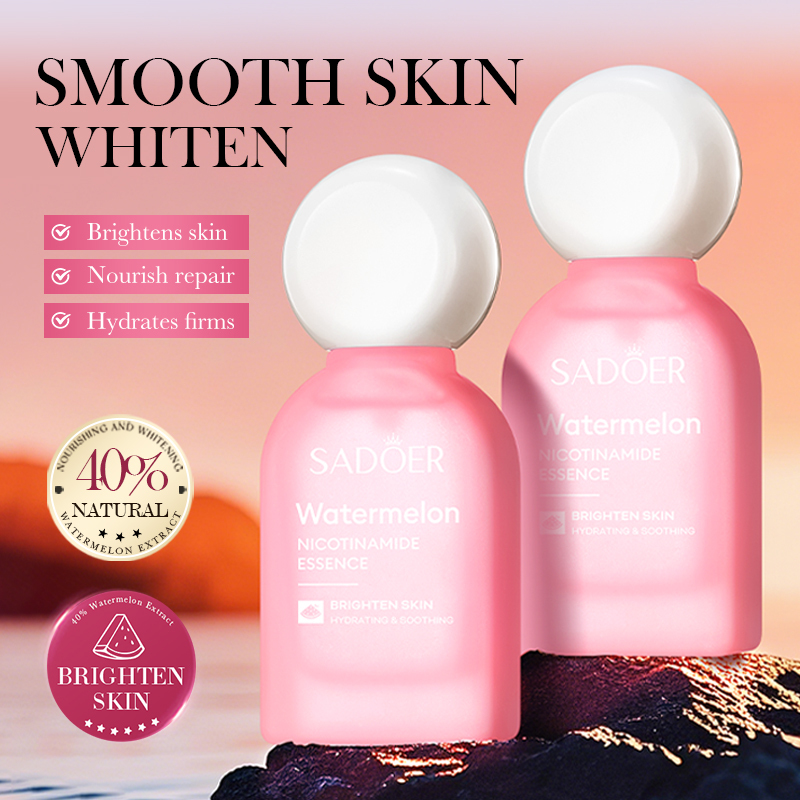
Sugars and polyols also lower water activity, which reduces the microbiological pressure on the preservative system. In a mild-positioning product, trading sugar content for preservative headroom is a practical route, provided challenge testing is repeated on the new base. A hydrating toner format built on this logic is shown in this niacinamide toner reference.
Hyaluronic Acid: Molecular Weight as a Design Tool
Hyaluronic acid is discussed as one ingredient but supplied as a family with a very wide molecular weight range. High molecular weight forms a film and gives immediate slip; lower molecular weight penetrates further but feels tacky at high doses; oligomeric grades are used where the aim is measurable water content in the upper layer. Different molecular weights solve different problems, so a blend usually beats a single grade.
The mistake buyers make most often
The frequent error is optimising total percentage. Three grades each added at a token level can sum to an impressive number while none of them sits in its own effective range. Each grade needs to reach its own working level; the total is a derived number, not a target. The second error is ignoring how pH and electrolytes change viscosity, which is why an acidic base can behave nothing like the bench sample.
Verifying Moisture Performance
Verification normally combines instrumental measurement of stratum corneum water content and transepidermal water loss with a panel's own assessment. A single measurement point says little; the shape of the curve over several hours is the useful result. Temperature and humidity must be controlled, otherwise results from different batches cannot be compared.
Small comparative panels are adequate for screening during development, but formal claims need a full study run to the applicable method. Write the test conditions into the development plan instead of commissioning data at the end. Water quality and batching controls on the production side are described in the workshop overview.
Moisture is the easiest benefit to claim and the easiest to fake, which is why buyers have learned to distrust the wording. Build the three layers, tune the molecular weight structure to the intended skin feel, and prove the curve: that is what makes a hydration claim survive scrutiny. Requirements can be submitted through the inquiry form.
Frequently asked questions
Can you produce Humectant Blends under our own brand?
Humectant Blends is handled as a private label project: you bring the brand and the market position, we cover formula, bulk, filling and packing. Existing bases can be adjusted for texture, fragrance and active level, or we develop from a new brief. Tooling and artwork belong to you, and our name does not appear on the pack.
What is the minimum order quantity?
MOQ is set by net fill per unit: under 15 ml/g 5,000 pcs; 15-50 ml/g 3,000 pcs; 50-200 ml/g 2,000 pcs; above 200 ml/g 1,000 pcs. Several SKUs in one project can share a production run to reach the threshold.
How long do samples and bulk production take?
Samples take 7-10 working days from a confirmed brief, or 10-15 days when a new mould or artwork is involved. Bulk runs 25-35 days after sample approval and packaging arrival. Repeat orders with an unchanged formula usually move faster.
Which certificates and documents come with the shipment?
The plant runs under GMPC and ISO 22716 with a 100,000-class cleanroom. Each shipment can include COA, MSDS, the full INCI list, stability data and microbiological reports. For the EU we support CPSR and PIF paperwork; for other markets we prepare the file set your importer asks for.
Can we change the formula, fragrance or packaging?
Yes. Texture, viscosity, fragrance, colour and active percentage are adjustable within regulatory limits. Packaging can be sourced by you or by us: tubes, airless bottles, jars, sachets and aluminium foil bags, with silkscreen, hot stamping or label application.
What information do you need to quote?
Category and target function, quantity per SKU, packaging direction, destination market and launch date. With that we reply within 24 hours on business days with feasibility, MOQ and a price range. An NDA can be signed before formulas are discussed.
Need this produced? Talk to the factory.
Wangsha Bio has run OEM/ODM production since 2006: 60,000 sqm plant, 17 lines, 100,000-class cleanroom, GMPC and ISO 22716 certified. Send your brief and we reply within 24 hours on business days with feasibility, MOQ and a price range.
Email lucky@moksha-bio.com | Product range | Workshop