Qingyuan moksha Biotechnology Co., Ltd


Exfoliation is one of the most competitive claims in mass skincare, and the market has spent a decade pushing acids stronger. The counter-trend arrived from the opposite direction: polyhydroxy acids, or PHAs, deliver a slower exfoliating effect with a tolerance profile that suits daily-use positioning and reactive-skin customers. PHAs earn their place in a range by widening the audience, not by outperforming glycolic acid. This guide covers how they behave, how to dose them, and what to verify before production.
How PHAs Differ from AHAs
Gluconolactone and lactobionic acid are larger molecules than glycolic or lactic acid, so they penetrate more slowly and concentrate their action nearer the surface. That single property explains most of their commercial story: less sting on application, a wider tolerance across skin types, and humectant behaviour that leaves the skin feeling comfortable rather than tight. The large molecule size is simultaneously the limitation and the selling point, and the brief should say which one the product is built on.
PHAs also carry antioxidant capacity, which gives marketing a second thread without adding another raw material. Combining two supportable stories in one ingredient is cheaper than combining two ingredients. Comparable formats are listed in the product range.
Dosage and pH Windows
PHAs are water-soluble and work in a moderately acidic window, though their optimum sits higher on the pH scale than glycolic acid. That has practical consequences: the formula can run closer to skin-neutral pH, which relaxes the constraints on the thickener and the preservation system. The higher pH window is a formulation freedom that AHAs do not offer, and it should be used deliberately.
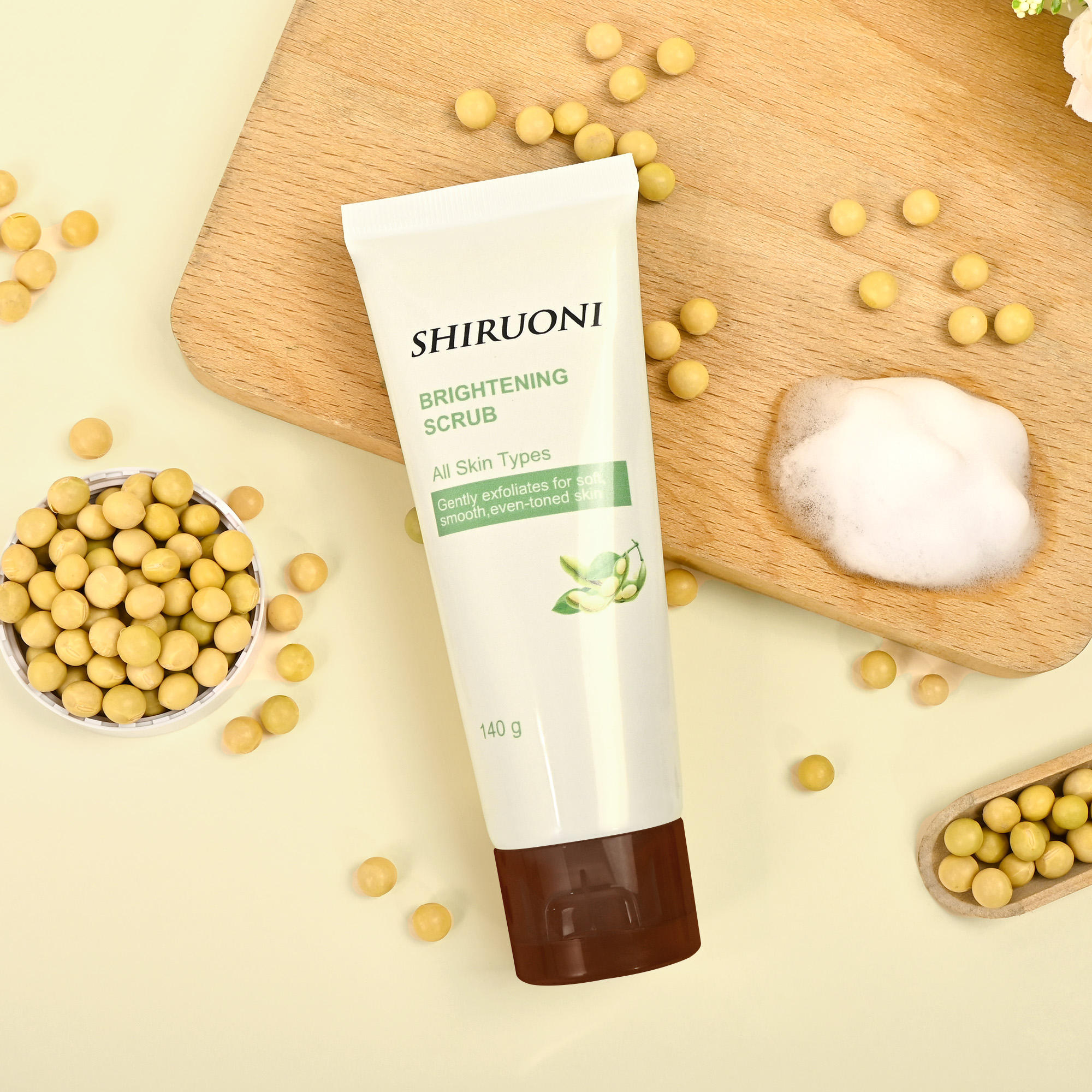
Typical finished-product levels sit in a moderate range, with toners and pads at the lower end and concentrated serums higher. Because penetration is slower, visible results arrive more gradually, so the brand should set expectations in its copy rather than promise a fast renewal effect. Set the usage cadence in the instructions, because a daily-use PHA and a weekly AHA are different products with different results. A gentle cleansing reference is shown in this exfoliating face wash.
Pairing and Combination Rules
PHAs pair naturally with humectants, soothing extracts and niacinamide, and they tolerate most preservation systems. The combinations that need care are with other exfoliating agents: layering a PHA under a strong AHA in one formula rarely improves performance and regularly damages tolerance. One exfoliating system per formula is a rule worth writing into the brief.
Sensory design matters more than usual
Because the active itself is mild, the customer's judgement of the product comes from texture and after-feel. A PHA toner that leaves a tacky film will be read as ineffective even when the chemistry is sound. Tune the sensory finish first, because in this category feel is the evidence the customer trusts. Production conditions are described in the workshop overview.
Stability and Manufacturing Notes
Lactobionic acid is supplied as a powder or a concentrated solution, and gluconolactone can hydrolyse slowly in water, which shifts pH over time. Stability protocols should therefore track pH at every checkpoint, not only at the start and end. A drifting pH in a mild formula quietly converts a gentle product into an ineffective one.
Metal ions and high process temperatures also deserve attention, since some PHA grades discolour under demanding conditions. Chelating agents and a moderated addition temperature usually resolve both. Agree colour and pH acceptance limits before sampling, so the argument never happens after a batch exists. Manufacturer credentials appear on the about us page.
Claims and the Range Context
Claims for PHA products should describe smoothness, radiance and comfort, and avoid any language implying a change to skin structure or a medical effect. Comparative claims against other acids need care: "gentler than glycolic acid" is defensible when framed as an experience statement, but absolute promises are not. Experience-based wording survives regulatory review far better than performance superlatives.
In range terms, a PHA product works as the entry point to an exfoliation story: pads or a toner for daily users, with a stronger periodic product alongside for experienced customers. Sell the tolerance, sequence the range, and the category builds its own repeat purchase. Requirements can be submitted through the inquiry form, and wider category news appears in the news section.
PHAs will not replace stronger acids, and they do not need to. Specify the molecule, hold the pH window, tune the finish, and keep the copy honest: that is the whole recipe for a gentle exfoliating line that earns long reviews.
Frequently asked questions
Can you produce PHA and Gentle Exfoliation under our own brand?
PHA and Gentle Exfoliation is handled as a private label project: you bring the brand and the market position, we cover formula, bulk, filling and packing. Existing bases can be adjusted for texture, fragrance and active level, or we develop from a new brief. Tooling and artwork belong to you, and our name does not appear on the pack.
What is the minimum order quantity?
MOQ is set by net fill per unit: under 15 ml/g 5,000 pcs; 15-50 ml/g 3,000 pcs; 50-200 ml/g 2,000 pcs; above 200 ml/g 1,000 pcs. Several SKUs in one project can share a production run to reach the threshold.
How long do samples and bulk production take?
Samples take 7-10 working days from a confirmed brief, or 10-15 days when a new mould or artwork is involved. Bulk runs 25-35 days after sample approval and packaging arrival. Repeat orders with an unchanged formula usually move faster.
Which certificates and documents come with the shipment?
The plant runs under GMPC and ISO 22716 with a 100,000-class cleanroom. Each shipment can include COA, MSDS, the full INCI list, stability data and microbiological reports. For the EU we support CPSR and PIF paperwork; for other markets we prepare the file set your importer asks for.
Can we change the formula, fragrance or packaging?
Yes. Texture, viscosity, fragrance, colour and active percentage are adjustable within regulatory limits. Packaging can be sourced by you or by us: tubes, airless bottles, jars, sachets and aluminium foil bags, with silkscreen, hot stamping or label application.
What information do you need to quote?
Category and target function, quantity per SKU, packaging direction, destination market and launch date. With that we reply within 24 hours on business days with feasibility, MOQ and a price range. An NDA can be signed before formulas are discussed.
Need this produced? Talk to the factory.
Wangsha Bio has run OEM/ODM production since 2006: 60,000 sqm plant, 17 lines, 100,000-class cleanroom, GMPC and ISO 22716 certified. Send your brief and we reply within 24 hours on business days with feasibility, MOQ and a price range.
Email lucky@moksha-bio.com | Product range | Workshop