Qingyuan moksha Biotechnology Co., Ltd


A quotation is the document where most private label projects either become viable or quietly stall, and it is usually read far too quickly. Two suppliers can quote the same product at very different unit prices, and the difference rarely sits in the formula. It sits in what is included, what is excluded, and which quantity the price assumes. Comparing quotations means comparing scopes, not comparing numbers. This guide sets out how to read one properly.
What Actually Drives the Unit Cost
Four cost blocks make up most of a finished-unit price: content cost, packaging cost, filling and labour, and testing plus documentation. Content cost is driven by the actives and the fragrance, and it scales with the fill volume. Packaging cost is driven by the pack material and decoration, and it moves in steps because it depends on the tooling and the print run. Packaging is usually the largest single line in a skincare quotation, and the one most often underestimated during concept work.
Filling and labour cost per unit falls as volume rises, but only within the limits of the filling line. Testing and documentation costs are largely fixed and therefore dominate the price of very small runs. On a short run, documentation is not a rounding error; it can be the difference between a viable and an unviable project.
How MOQ Is Calculated
Minimum order quantity is not one number but the sum of several constraints, and the binding one is whichever is highest. Component suppliers impose a minimum per component, pack decoration imposes a minimum run, and the filling line imposes its own minimum batch. Ask for each constraint separately, because reducing one does nothing if another is the real ceiling.
Content MOQ depends on batch size, which is set by the smallest batch the mixing vessel can handle reliably. This is why reusing a pack that is already in production can lower the entry point without changing the formula at all. Choosing an established pack is the fastest way to reduce the first order without weakening the product.
Where the volume breaks usually sit
Most factories show price steps at a few quantities, and the largest drop normally comes between the first small testing run and the first production batch. Request quotes at two or three quantities rather than one, so the shape of the curve is visible.
Charges That Appear Later
Several items are frequently left out of a first quotation. Development and sampling fees are sometimes credited against the first order and sometimes not. Labelling, coding and shrink wrapping may be priced separately. Testing for export markets and any application or notification support are usually quoted as extras. A quotation that does not list these items is incomplete rather than cheap.
Building the full landed cost is the only way to compare suppliers fairly, and it should include freight, duties and the cost of holding inventory against a longer lead time. Unit price and landed cost are different numbers, and the second one is the one the business lives with.
Reading the Payment and Lead Time Terms
Payment terms usually combine a deposit with a balance before shipment, and the split matters as much as the price because it sets the working capital requirement. Lead time should be quoted separately for components and for filling, since the longer of the two governs the plan. Ask for the two lead times separately, or the schedule you build will be wrong from the start.
Also confirm what triggers a re-quote. Raw material indices, currency movement and pack volume all move over time, and a quotation with no validity period is difficult to plan against. A stated validity window is a small detail that prevents a large surprise.
Questions to Ask Before Signing
Five questions settle most of the ambiguity: which quantity the price assumes, what is included in the pack price, what is excluded from the unit price, how the deposit and balance are split, and how long the quotation holds. A supplier that answers all five with specific numbers is easier to work with over a multi-year relationship.
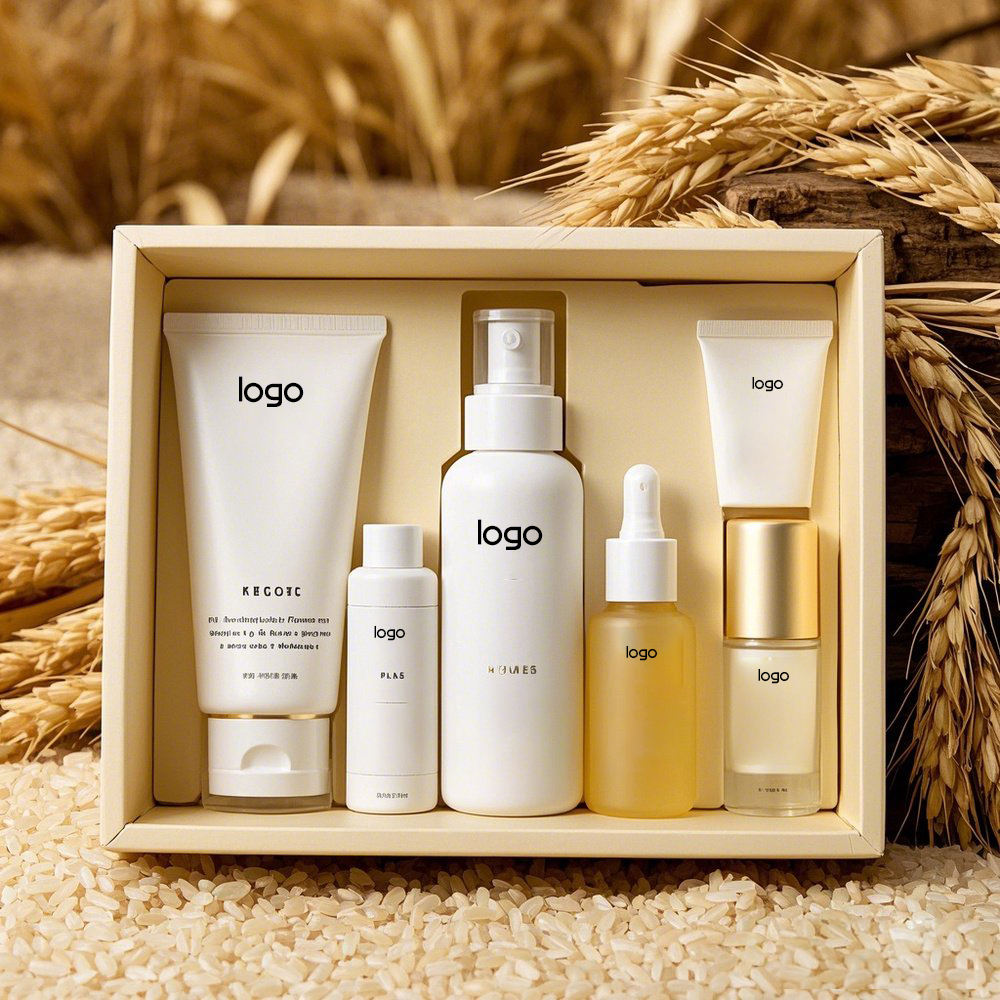
Manufacturer capability and quality documentation are summarised on the about us page and in the workshop overview, and a multi-item gift format that shows how pack cost behaves across a range is shown in this gift set reference within the product range.
Price is only one line of a quotation and rarely the most important one. Compare scope, ask for the volume steps, build the landed cost and confirm the terms: that is how a quotation becomes a plan. Send requirements through the contact page to receive a scoped offer.
Frequently asked questions
Can you produce Private Label Quotations Explained under our own brand?
Private Label Quotations Explained is handled as a private label project: you bring the brand and the market position, we cover formula, bulk, filling and packing. Existing bases can be adjusted for texture, fragrance and active level, or we develop from a new brief. Tooling and artwork belong to you, and our name does not appear on the pack.
What is the minimum order quantity?
MOQ is set by net fill per unit, not by category:
| Net fill | MOQ |
|---|---|
| < 15 ml/g | 5,000 pcs |
| 15-50 ml/g (50 included) | 3,000 pcs |
| 50-200 ml/g (200 included) | 2,000 pcs |
| > 200 ml/g | 1,000 pcs |
Several SKUs in one project can share a production run to reach the threshold, and a smaller trial order is possible once the formula is approved.
How long do samples and bulk production take?
Samples take 7-10 working days from a confirmed brief, or 10-15 days when a new mould or artwork is involved. Bulk runs 25-35 days after sample approval and packaging arrival. Repeat orders with an unchanged formula usually move faster.
Which certificates and documents come with the shipment?
The plant runs under GMPC and ISO 22716 with a 100,000-class cleanroom. Each shipment can include COA, MSDS, the full INCI list, stability data and microbiological reports. For the EU we support CPSR and PIF paperwork; for other markets we prepare the file set your importer asks for.
Can we change the formula, fragrance or packaging?
Yes. Texture, viscosity, fragrance, colour and active percentage are adjustable within regulatory limits. Packaging can be sourced by you or by us: tubes, airless bottles, jars, sachets and aluminium foil bags, with silkscreen, hot stamping or label application.
What information do you need to quote?
Category and target function, quantity per SKU, packaging direction, destination market and launch date. With that we reply within 24 hours on business days with feasibility, MOQ and a price range. An NDA can be signed before formulas are discussed.
Need this produced? Talk to the factory.
Wangsha Bio has run OEM/ODM production since 2006: 60,000 sqm plant, 17 lines, 100,000-class cleanroom, GMPC and ISO 22716 certified. Send your brief and we reply within 24 hours on business days with feasibility, MOQ and a price range.
Email lucky@moksha-bio.com | Product range | Workshop