
 Qingyuan moksha Biotechnology Co., Ltd


Minis are often treated as a scaled-down version of the main product, which is why so many of them disappoint. A 30 ml tube and a 5 ml sachet are different engineering problems: the same formula may not dispense properly, the fill tolerance becomes a much larger share of the total volume, and the cost per millilitre rises sharply. A miniature is a separate product with its own specification, not a smaller batch of the flagship. This article covers what to settle before ordering.
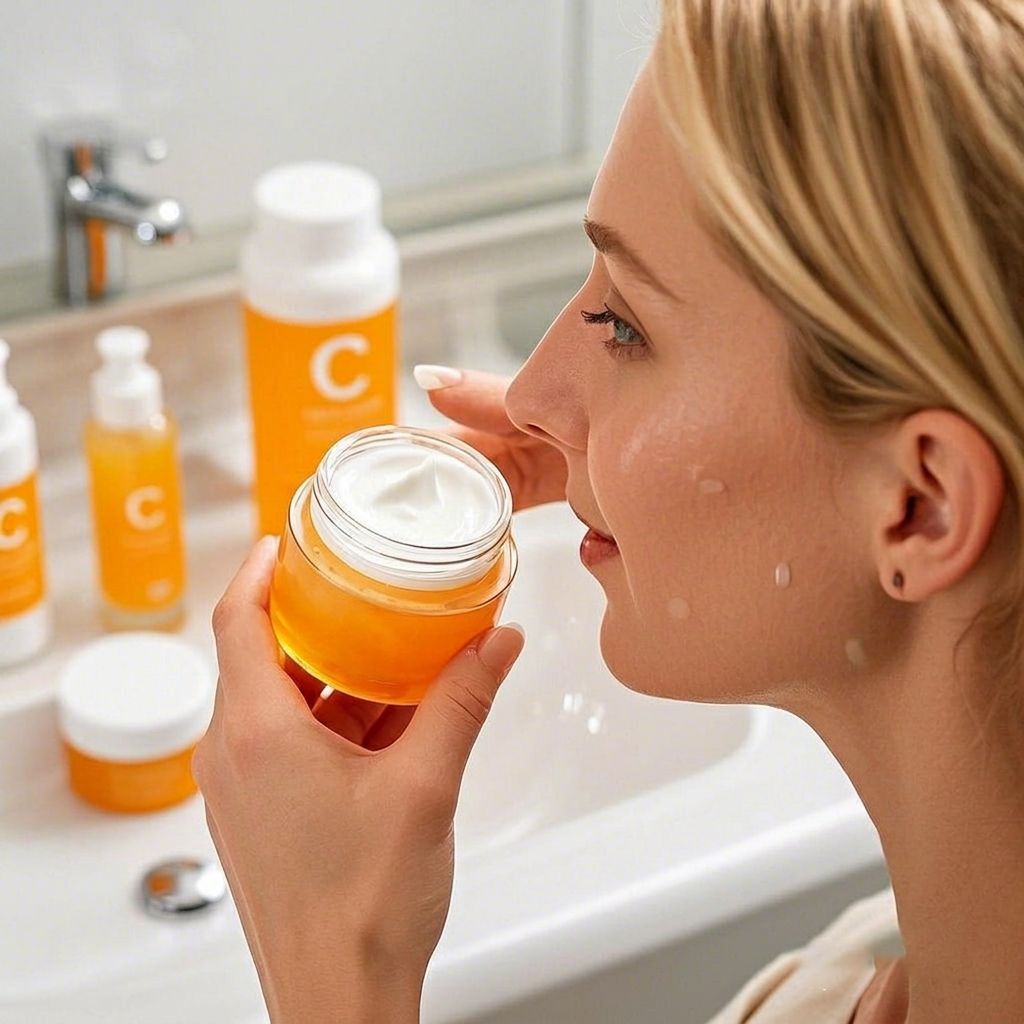
1. Why Minis Need Their Own Specification
Viscosity that works in a 100 ml pump bottle can fail in a 5 ml dropper, and a cream that spreads well from a jar may not flow evenly from a narrow sachet. Headspace also matters more in small formats, because a larger proportion of the volume is air and the product surface area exposed to that air is comparatively bigger. The smaller the pack, the less forgiving the formula becomes.
Brand owners should also decide the purpose of the mini. A discovery sample, a travel retail item and a gift-with-purchase all have different expectations for pack quality and fill accuracy. Define the job first, because a sampling sachet and a paid travel size should not share a specification. Standard formats are listed in the product range.
2. Fill Volume, Headspace and Dose Accuracy
Fill tolerance is usually expressed as a percentage. On a 100 ml bottle, a small deviation is invisible; on a 5 ml sample it can mean the difference between four and six uses. That changes how the consumer judges the product. On miniature formats, fill accuracy is a product experience issue rather than a compliance detail.
Pump and dropper formats add another variable, because the dose per actuation is fixed while the total volume falls. Sachets avoid the hardware entirely but deliver a single dose, so the fill has to suit one full application. Dose per use should be defined before pack selection, not measured afterwards.
3. Packaging Cost per Unit and MOQ Reality
Miniature packaging is often surprisingly expensive per unit. Moulds, tooling and decoration set-up are largely fixed, so the cost is spread over a small volume of material. A mini bottle can cost a meaningful fraction of a full-size one while containing a tenth of the product. Budget the pack, not the fill, when planning a mini programme.
The same logic applies to minimum order quantities. Filling 5,000 units is quick, but the packaging run behind it may still carry a minimum. Combining several shades or lines into one packaging family helps. Designing a shared family of mini packs is usually the most effective way to reduce unit cost.
4. Stability, Labelling and Regulatory Notes
Small packs age differently, because the surface-to-volume ratio is higher and some materials thin enough for minis allow more permeation. Stability testing should therefore run on the actual mini pack, not on a full-size container of the same material. Extrapolating stability from a large pack to a small one is a common and avoidable mistake.
Labelling is the harder constraint. A 5 ml sachet has very little surface area, yet the required information does not shrink with the pack. In several markets, reduced labelling is permitted only under specific conditions and with an outer carton carrying the full content. Confirm the labelling route before artwork is designed, because it may decide whether an outer carton is mandatory. Production conditions are described in the workshop overview.
5. Sampling Programmes and Launch Sequencing
Sampling works best when it feeds a decision. A programme that collects contact details and skin type data before the full launch gives the brand both a consumer list and a formula check. Running one mini batch ahead of the main production also surfaces dispensing and stability problems at low cost. Use the mini as a test run for the full-size launch, not only as a marketing tool.
Sequencing matters too. If minis and full sizes share a formula, produce the mini first so any adjustment does not strand finished full-size units. If the mini is a distinct formula, keep the two briefs separate so one does not delay the other. A clear launch sequence protects the main product from the sample programme's schedule. Sample packaging formats are shown on the customised sample packaging page, and briefs can be submitted through the inquiry page.
Minis earn their place when they are specified properly. Treat the miniature as its own product, test stability in the real pack, budget the packaging rather than the fill, and use the sample run to de-risk the main launch.
Frequently asked questions
Can you produce Travel Sizes, Minis and Sampling Formats in Private Label Cosmetics under our own brand?
Travel Sizes, Minis and Sampling Formats in Private Label Cosmetics is handled as a private label project: you bring the brand and the market position, we cover formula, bulk, filling and packing. Existing bases can be adjusted for texture, fragrance and active level, or we develop from a new brief. Tooling and artwork belong to you, and our name does not appear on the pack.
What is the minimum order quantity?
MOQ is set by net fill per unit, not by category:
| Net fill | MOQ |
|---|---|
| < 15 ml/g | 5,000 pcs |
| 15-50 ml/g (50 included) | 3,000 pcs |
| 50-200 ml/g (200 included) | 2,000 pcs |
| > 200 ml/g | 1,000 pcs |
Several SKUs in one project can share a production run to reach the threshold, and a smaller trial order is possible once the formula is approved.
How long do samples and bulk production take?
Samples take 7-10 working days from a confirmed brief, or 10-15 days when a new mould or artwork is involved. Bulk runs 25-35 days after sample approval and packaging arrival. Repeat orders with an unchanged formula usually move faster.
Which certificates and documents come with the shipment?
The plant runs under GMPC and ISO 22716 with a 100,000-class cleanroom. Each shipment can include COA, MSDS, the full INCI list, stability data and microbiological reports. For the EU we support CPSR and PIF paperwork; for other markets we prepare the file set your importer asks for.
Can we change the formula, fragrance or packaging?
Yes. Texture, viscosity, fragrance, colour and active percentage are adjustable within regulatory limits. Packaging can be sourced by you or by us: tubes, airless bottles, jars, sachets and aluminium foil bags, with silkscreen, hot stamping or label application.
What information do you need to quote?
Category and target function, quantity per SKU, packaging direction, destination market and launch date. With that we reply within 24 hours on business days with feasibility, MOQ and a price range. An NDA can be signed before formulas are discussed.
Need this produced? Talk to the factory.
Wangsha Bio has run OEM/ODM production since 2006: 60,000 sqm plant, 17 lines, 100,000-class cleanroom, GMPC and ISO 22716 certified. Send your brief and we reply within 24 hours on business days with feasibility, MOQ and a price range.
Email lucky@moksha-bio.com | Product range | Workshop
