
 Qingyuan moksha Biotechnology Co., Ltd


Sustainability in packaging has moved from a differentiator to an expectation, and that shift has made the terminology harder to navigate. Recyclable, recycled, refillable and compostable describe different things, and a pack can satisfy one while failing another. Choosing a material comes after deciding which claim the brand can actually document. This article walks through the decision order for a private label launch.
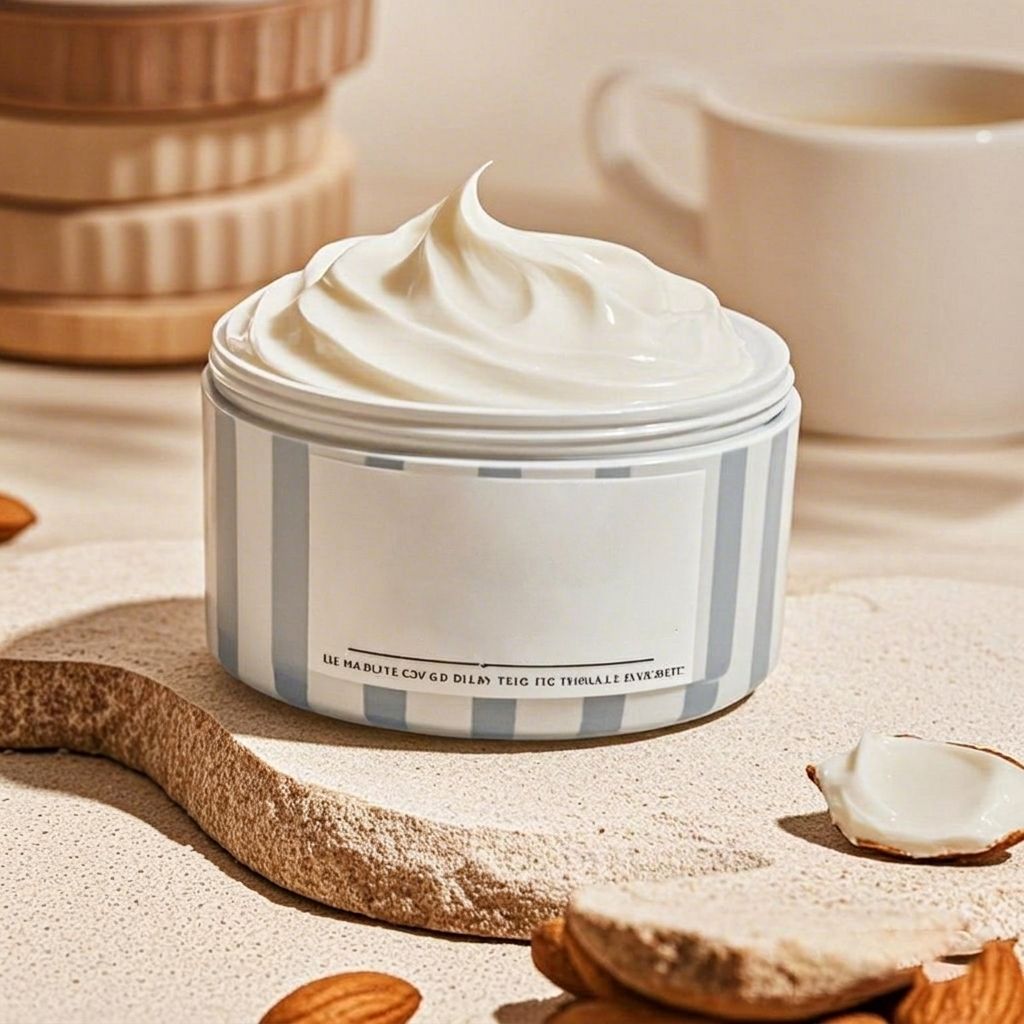
1. Sorting the Claims Before Choosing a Material
Recycled content refers to how much post-consumer or post-industrial material the pack contains. Recyclability refers to whether the pack can be processed in the collection systems that actually exist in the target market. A refillable design reduces material per use by keeping the outer pack. These are different promises and they need different evidence, so pick the one the brand can support.
Market reality matters as much as the claim. A technically recyclable pack is only meaningful where the relevant stream is collected, and a mono-material bottle with a heavy dark coating may still be rejected by sorters. Check the local collection reality before printing a recyclability statement. Current pack formats are shown in the product range.
2. PCR Content: Availability, Colour and Cost
Post-consumer recycled resin is the most widely used route for rigid bottles and jars. The main trade-offs are colour consistency, odour and supply variability. Recycled high density polyethylene and polyethylene terephthalate are generally available in reliable grades, while recycled polypropylene has been slower to stabilise. PCR grades with higher content are harder to keep colour-consistent, which is why very dark or fully opaque packs remain easier to source.
Cost per unit usually rises with the percentage of recycled content, and moulding parameters often need retuning because the melt behaviour differs from virgin resin. Budget the tooling adjustment as well as the resin, because recycled grades rarely run identically on the first attempt.
3. Mono-Material and Refill Compatible Designs
Multi-layer laminated tubes and pumps with metal springs are common obstacles to recycling, because they cannot be separated economically. Moving to a single polymer family across the bottle, cap and label improves the chance that the pack is accepted. Where full mono-material is not feasible, reduction is a defensible interim step. Reducing material weight is the improvement that almost never conflicts with recyclability.
Refill designs shift the environmental benefit to the refill rather than the outer pack, which means the refill itself should be light and simple. Snap-in refill pods and pouches save material, but the outer pack must survive repeated opening without losing sealing performance. A refill programme only delivers its benefit if the outer pack genuinely lasts several cycles.
4. Compatibility Testing With the Formula
Recycled and mono-material packs are not chemically identical to the virgin multi-layer packs the formula was originally developed in. Migration behaviour, barrier performance and sealing strength all change, and surfactant-rich formulas are particularly good at finding weak points. Any material change requires a fresh compatibility study, not an assumption based on the previous pack.
Testing should cover weight loss over time for volatile formulas, panel and seal integrity, and appearance changes in both pack and product. Compostable materials need humidity control because they may soften under normal storage conditions. Sustainability-driven material changes have caused more field failures than formula changes in recent years, largely because compatibility testing was skipped. Production and filling conditions are described in the workshop overview.
5. Certificates, Documentation and Greenwashing Risk
Each environmental claim needs evidence behind it: supplier certificates for recycled content, chain of custody documentation, and test data supporting recyclability or compostability statements. Wording that implies a broader environmental benefit than the data supports is a regulatory risk in most markets and a reputational one everywhere. Keep the on-pack wording no stronger than the certificate behind it.
It also helps to document the baseline, so the improvement can be stated as a comparison rather than an adjective. Recording pack weight and material composition before and after a change gives the brand a factual statement it can defend. Measured reductions hold up; general adjectives do not. A reference customised pack format is shown on the cake shape packaging product page, and briefs can be submitted through the inquiry page.
Sustainable packaging works best when the claim drives the material choice rather than the reverse. Pick the promise that can be evidenced, accept the colour and cost limits of the material that supports it, re-test compatibility, and keep the wording inside the certificate.
Frequently asked questions
Can you produce Sustainable Packaging Materials in Private Label under our own brand?
Sustainable Packaging Materials in Private Label is handled as a private label project: you bring the brand and the market position, we cover formula, bulk, filling and packing. Existing bases can be adjusted for texture, fragrance and active level, or we develop from a new brief. Tooling and artwork belong to you, and our name does not appear on the pack.
What is the minimum order quantity?
MOQ is set by net fill per unit, not by category:
| Net fill | MOQ |
|---|---|
| < 15 ml/g | 5,000 pcs |
| 15-50 ml/g (50 included) | 3,000 pcs |
| 50-200 ml/g (200 included) | 2,000 pcs |
| > 200 ml/g | 1,000 pcs |
Several SKUs in one project can share a production run to reach the threshold, and a smaller trial order is possible once the formula is approved.
How long do samples and bulk production take?
Samples take 7-10 working days from a confirmed brief, or 10-15 days when a new mould or artwork is involved. Bulk runs 25-35 days after sample approval and packaging arrival. Repeat orders with an unchanged formula usually move faster.
Which certificates and documents come with the shipment?
The plant runs under GMPC and ISO 22716 with a 100,000-class cleanroom. Each shipment can include COA, MSDS, the full INCI list, stability data and microbiological reports. For the EU we support CPSR and PIF paperwork; for other markets we prepare the file set your importer asks for.
Can we change the formula, fragrance or packaging?
Yes. Texture, viscosity, fragrance, colour and active percentage are adjustable within regulatory limits. Packaging can be sourced by you or by us: tubes, airless bottles, jars, sachets and aluminium foil bags, with silkscreen, hot stamping or label application.
What information do you need to quote?
Category and target function, quantity per SKU, packaging direction, destination market and launch date. With that we reply within 24 hours on business days with feasibility, MOQ and a price range. An NDA can be signed before formulas are discussed.
Need this produced? Talk to the factory.
Wangsha Bio has run OEM/ODM production since 2006: 60,000 sqm plant, 17 lines, 100,000-class cleanroom, GMPC and ISO 22716 certified. Send your brief and we reply within 24 hours on business days with feasibility, MOQ and a price range.
Email lucky@moksha-bio.com | Product range | Workshop
