Qingyuan moksha Biotechnology Co., Ltd


Solid hair care has moved from a travel-aisle novelty to a genuine category with its own economics. A bar removes most of the water from the product, which cuts shipping weight, removes the need for a liquid-tight pack and sidesteps the preservation question almost entirely. Those advantages come with a formulation problem: nearly every technique used in a liquid shampoo behaves differently without water. A shampoo bar is not a concentrated liquid shampoo pressed into a mould. This guide covers what changes when the format goes solid.
Why Solid Formats Change the Formulation Logic
Liquid shampoo handles dilution in the bottle, so the formulator controls viscosity with salts and thickeners and keeps the surfactant blend mobile. A bar has to deliver a usable lather from a hard solid that the consumer rubs onto wet hair or between wet hands. Lather quality, not viscosity, becomes the primary performance target.
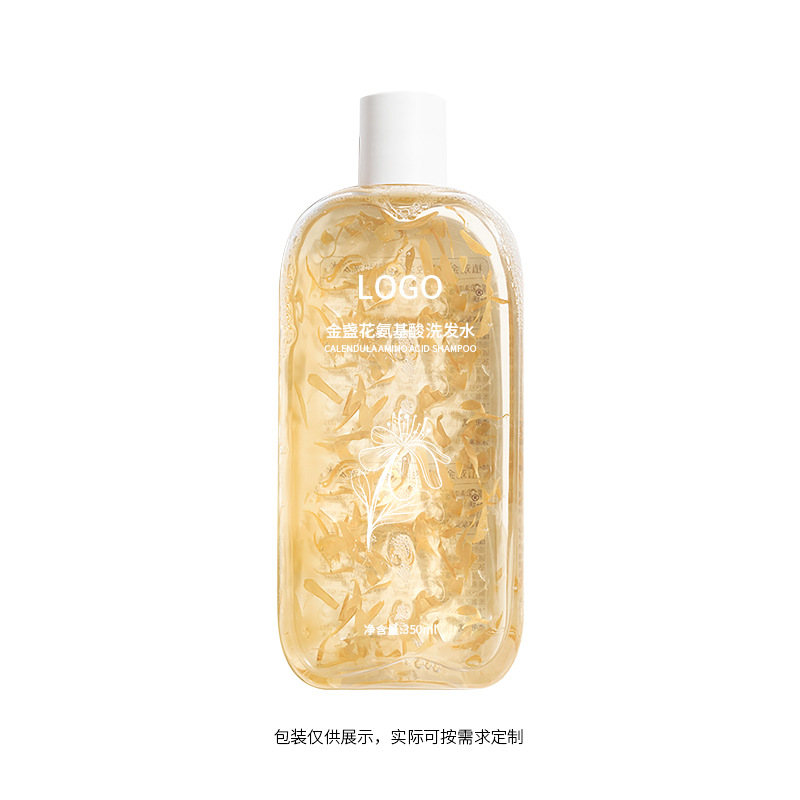
The preservation picture also changes. With water activity kept low, microbiological growth is far less of a risk, and the pack can be a simple paper wrap or a moulded tray. Removing water removes the single most expensive part of the safety dossier, which is a real cost advantage rather than a marketing one. Reference hair care formats in the existing range include this amino acid shampoo direction.
Surfactant Selection for a Solid Bar
The surfactant system has to be solid at ambient temperature and still dissolve quickly enough in use. Sodium cocoyl isethionate is the common backbone because it forms a hard bar, lathers well and leaves a soft after-feel. Where milder positioning is required, blends with other mild anionic and amphoteric surfactants are used, usually traded against bar hardness. Softness is the usual failure mode: a bar that feels pleasant at the bench can slump in a warm bathroom.
Humectants and binders hold the structure together, and their levels decide both hardness and how fast the bar dissolves away in use. Too much and the bar turns to paste; too little and it cracks. Hardness and wear rate should be specified together, because improving one at the bench usually degrades the other.
Colour, fragrance and particulates
Solid formats are less forgiving of decorative additions. Botanicals pressed into the bar may discolour, and exfoliating particles affect both feel and wear. Each addition should be justified against a stability result rather than an aesthetic idea.
Processing, Extrusion and Curing
Bars are usually made by combining the surfactant phase with the solid and liquid additives, then forming the mass by extrusion or by pressing into a mould. Extrusion gives tighter dimensional control and higher throughput; pressing suits novelty shapes at lower volume. Extrusion holds the size tolerance that retail packaging and shelf displays actually require.
Curing is the step most often underestimated. After forming, the bar needs time for moisture to redistribute and for the structure to stabilise, and a bar shipped too soon will continue to shrink and may crack later. Schedule curing as a production stage with its own time budget, because it cannot be accelerated by pushing the line harder. Manufacturing conditions are described in the workshop overview.
Conditioning in a Solid Format
Conditioning in a liquid product works because cationic polymers and conditioning agents deposit from a dilute solution during rinsing. In a solid bar the contact time is short and the dilution profile is different, so deposition is harder to achieve. Many bars therefore rely on emollients and fatty alcohols that leave a film rather than on cationic deposition. Performance claims for a solid bar should be written against what the format can genuinely deliver.
A conditioner bar is a different technical problem again, since it has to deposit enough material from a small quantity of product to affect combability. Bars with a high fatty alcohol content work better here, but they also wear faster. For a paired shampoo and conditioner bar, the two formats should be developed together so their wear rates match. Related body care formats are listed in the product range.
Packaging, Claims and Market Fit
Packaging is where the format earns its environmental story. A paper wrap, a moulded pulp tray or a printed carton with no plastic liner is achievable, but the wrap still has to protect the bar from humidity during storage and transport. A plastic-free pack that lets the bar absorb moisture in transit creates exactly the defect the format was meant to avoid.
Claims should stay with appearance and experience: lather quality, cleansing feel, hair condition after use, and the practical benefit of a travel-friendly format. The usual formulation items belong in the specification anyway, including hardness and wear rate targets, colour and odour limits with a stated tolerance, and a change-notification requirement covering the surfactant blend. A change-notification clause matters more than usual here, because swapping one surfactant for an equivalent changes bar hardness immediately. Manufacturer documentation is summarised on the about us page, and briefs can be submitted through the contact page.
Solid hair care is worth developing only when the format's real advantages are built into the brief from the start. Fix hardness and wear rate, plan curing as a stage, protect the bar in transit, and keep the claims to what a bar can deliver. Send your concept through the inquiry form to begin sampling.
Frequently asked questions
Can you produce Solid Hair Care Formats: Shampoo Bars and Conditioner Bars under our own brand?
Solid Hair Care Formats: Shampoo Bars and Conditioner Bars is handled as a private label project: you bring the brand and the market position, we cover formula, bulk, filling and packing. Existing bases can be adjusted for texture, fragrance and active level, or we develop from a new brief. Tooling and artwork belong to you, and our name does not appear on the pack.
What is the minimum order quantity?
MOQ is set by net fill per unit, not by category:
| Net fill | MOQ |
|---|---|
| < 15 ml/g | 5,000 pcs |
| 15-50 ml/g (50 included) | 3,000 pcs |
| 50-200 ml/g (200 included) | 2,000 pcs |
| > 200 ml/g | 1,000 pcs |
Several SKUs in one project can share a production run to reach the threshold, and a smaller trial order is possible once the formula is approved.
How long do samples and bulk production take?
Samples take 7-10 working days from a confirmed brief, or 10-15 days when a new mould or artwork is involved. Bulk runs 25-35 days after sample approval and packaging arrival. Repeat orders with an unchanged formula usually move faster.
Which certificates and documents come with the shipment?
The plant runs under GMPC and ISO 22716 with a 100,000-class cleanroom. Each shipment can include COA, MSDS, the full INCI list, stability data and microbiological reports. For the EU we support CPSR and PIF paperwork; for other markets we prepare the file set your importer asks for.
Can we change the formula, fragrance or packaging?
Yes. Texture, viscosity, fragrance, colour and active percentage are adjustable within regulatory limits. Packaging can be sourced by you or by us: tubes, airless bottles, jars, sachets and aluminium foil bags, with silkscreen, hot stamping or label application.
What information do you need to quote?
Category and target function, quantity per SKU, packaging direction, destination market and launch date. With that we reply within 24 hours on business days with feasibility, MOQ and a price range. An NDA can be signed before formulas are discussed.
Need this produced? Talk to the factory.
Wangsha Bio has run OEM/ODM production since 2006: 60,000 sqm plant, 17 lines, 100,000-class cleanroom, GMPC and ISO 22716 certified. Send your brief and we reply within 24 hours on business days with feasibility, MOQ and a price range.
Email lucky@moksha-bio.com | Product range | Workshop