Qingyuan moksha Biotechnology Co., Ltd


Brands often arrive with a finished bottle and a simple request: match this scent. The conversation becomes more interesting once the formula stage begins, because the scent is rarely the limiting factor. What decides whether a fragrance product works is the delivery system: concentration tier, solvent balance and how the pack holds the scent over time. This article walks through the development points that matter when building a fragrance line with a contract manufacturer.
1. Two Different Roads: Fine Fragrance and Scented Personal Care
Fine fragrance is a high-alcohol system. Fragrance oil load typically sits above 15 percent and the formula contains little or no water. Scented personal care, by contrast, is a wash-off or leave-on base where fragrance is one component among many, usually dosed between 0.3 and 1.5 percent. The two systems behave differently in almost every respect, so the first question in any brief should be which road the brand is taking. Formats already in production are listed on the product page.
2. Concentration Tiers and the Alcohol System
Fragrance is conventionally grouped into parfum, eau de parfum, eau de toilette and cologne tiers. Lower concentration means a higher water fraction relative to alcohol, which shortens longevity and softens projection. Concentration is not a marketing label alone; it sets the pace at which top, heart and base notes unfold on skin.
Alcohol is more than a solvent. Ethanol grade, whether denatured alcohol is used, and the small amounts of water and humectants added all affect whether the fragrance oil stays fully dissolved. Incomplete dissolution shows up as haze or as material dropping out at low temperature. A cold-storage stability check, held until the liquid is clear, reveals problems that room-temperature observation misses.
Formulas that contain water
Once water enters the formula, part of the fragrance, esters and aldehydes in particular, can hydrolyse slowly and drift in odour over time. These formulas are better positioned as scented personal care, with stability work confirming how far the scent is allowed to move.
3. Three Levers for Longevity
Longevity depends on dosage, the molecular weight spread of the fragrance, and how strongly the carrier holds the oil. Heavier molecules evaporate slowly and linger, but they also place more demand on formula stability. Oil-based carriers wrap the fragrance and release it gradually, while water-based carriers release quickly and fade faster.
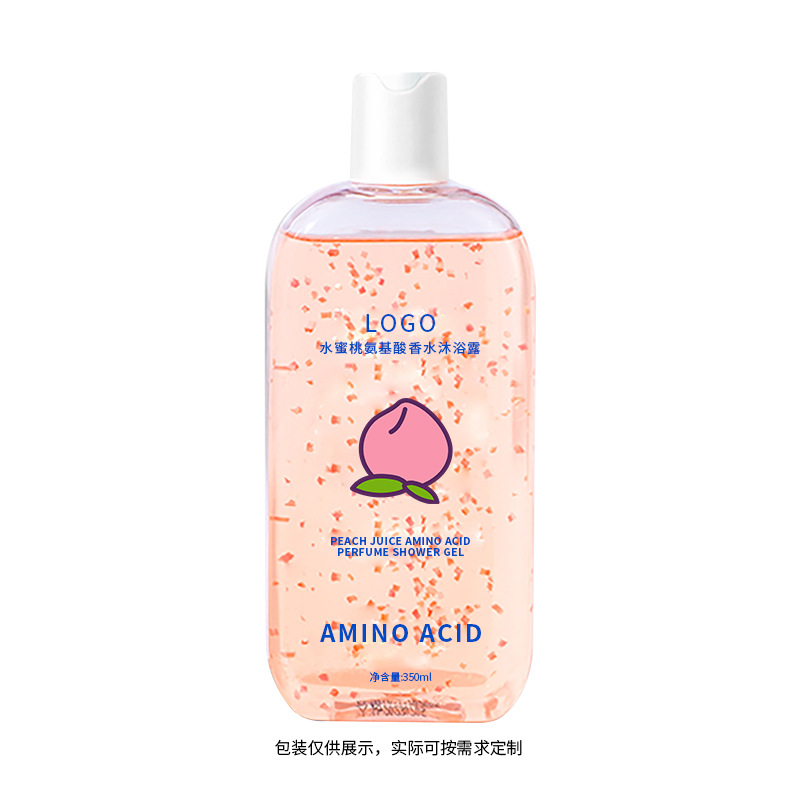
The pack matters as much as the formula. Plastic absorbs part of the fragrance, especially in thin monolayer bottles, and poor seal integrity at the pump or sprayer lets scent escape at the joint. Two identical shower gels in different packs can be rated a full tier apart on longevity. Reference formats such as this amino acid perfume body wash or the fragrance petal shower gel show how pack and format are matched in practice.
4. Filling and Manufacturing Conditions
Fragrance is the most expensive component in the formula and the easiest to lose during filling. Residue in transfer lines, long open-tank times and elevated filling temperatures all carry fragrance away. Fragrance products need their own filling parameters rather than inheriting the conditions used for plain emulsions.
Room cleanliness and temperature control matter for batch-to-batch odour consistency. The equipment and environment used at our workshop are specified with this in mind.
5. Claims and Labelling Boundaries
Fragrance products most often cross the line on claims. Fragrance components are a recognised source of sensitisation, so declared allergens must be labelled as required. Claiming calm, sleep support or mood benefits touches physiological territory and should be handled with care. Sensory language such as fresh scent or pleasant application is a safer route.
Compliance documentation and notification routes are best confirmed while the formula is still open. Our contact page is the place to start that conversation.
Building a fragrance line is ultimately about turning something subjective into something repeatable. Fix the format, concentration and carrier first; longevity and packaging decisions become far easier once those three are settled.
Frequently asked questions
Can you produce Perfume and Fine Fragrance OEM under our own brand?
Perfume and Fine Fragrance OEM is handled as a private label project: you bring the brand and the market position, we cover formula, bulk, filling and packing. Existing bases can be adjusted for texture, fragrance and active level, or we develop from a new brief. Tooling and artwork belong to you, and our name does not appear on the pack.
What is the minimum order quantity?
MOQ is set by net fill per unit, not by category:
| Net fill | MOQ |
|---|---|
| < 15 ml/g | 5,000 pcs |
| 15-50 ml/g (50 included) | 3,000 pcs |
| 50-200 ml/g (200 included) | 2,000 pcs |
| > 200 ml/g | 1,000 pcs |
Several SKUs in one project can share a production run to reach the threshold, and a smaller trial order is possible once the formula is approved.
How long do samples and bulk production take?
Samples take 7-10 working days from a confirmed brief, or 10-15 days when a new mould or artwork is involved. Bulk runs 25-35 days after sample approval and packaging arrival. Repeat orders with an unchanged formula usually move faster.
Which certificates and documents come with the shipment?
The plant runs under GMPC and ISO 22716 with a 100,000-class cleanroom. Each shipment can include COA, MSDS, the full INCI list, stability data and microbiological reports. For the EU we support CPSR and PIF paperwork; for other markets we prepare the file set your importer asks for.
Can we change the formula, fragrance or packaging?
Yes. Texture, viscosity, fragrance, colour and active percentage are adjustable within regulatory limits. Packaging can be sourced by you or by us: tubes, airless bottles, jars, sachets and aluminium foil bags, with silkscreen, hot stamping or label application.
What information do you need to quote?
Category and target function, quantity per SKU, packaging direction, destination market and launch date. With that we reply within 24 hours on business days with feasibility, MOQ and a price range. An NDA can be signed before formulas are discussed.
Need this produced? Talk to the factory.
Wangsha Bio has run OEM/ODM production since 2006: 60,000 sqm plant, 17 lines, 100,000-class cleanroom, GMPC and ISO 22716 certified. Send your brief and we reply within 24 hours on business days with feasibility, MOQ and a price range.
Email lucky@moksha-bio.com | Product range | Workshop