
 Qingyuan moksha Biotechnology Co., Ltd


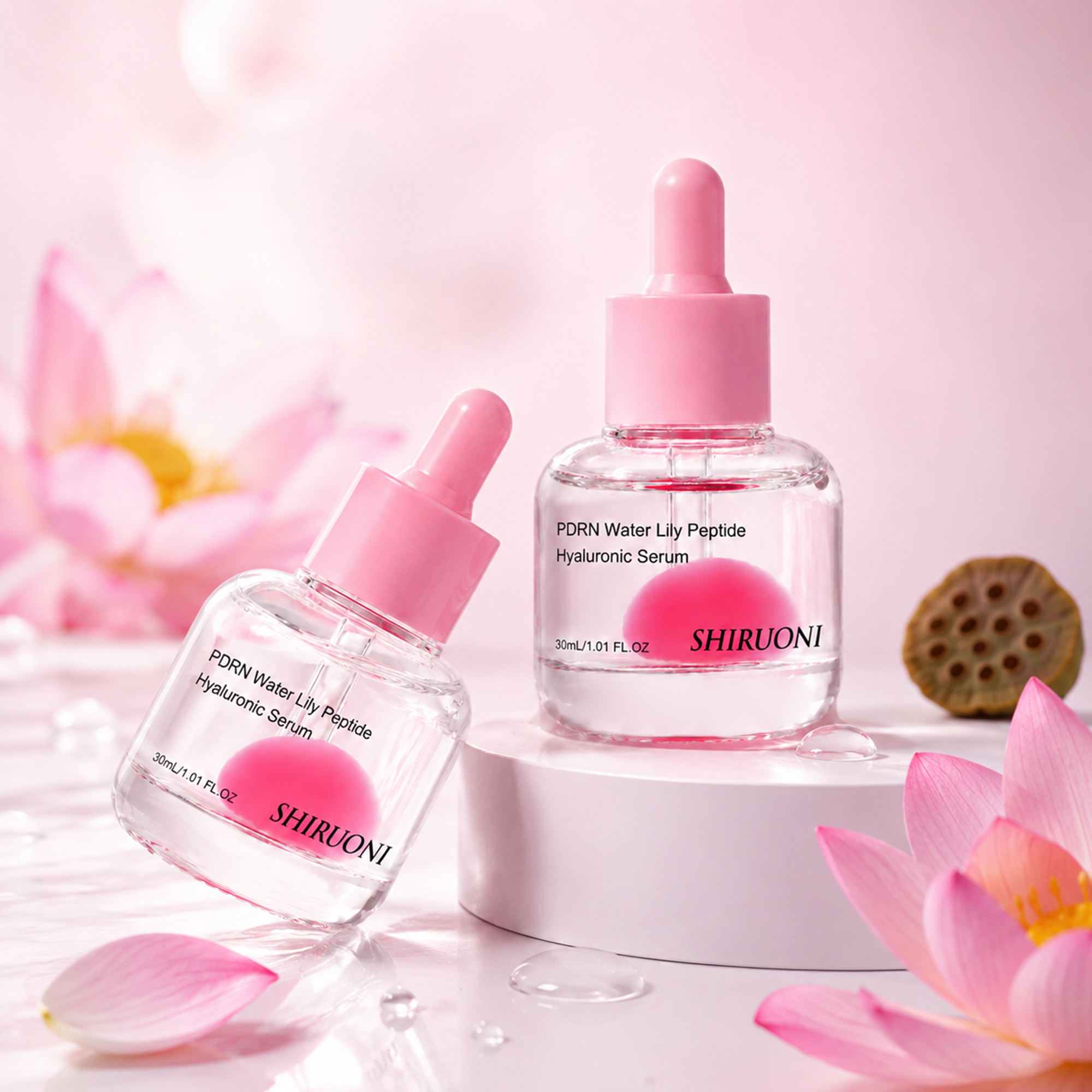
PDRN has moved from injectable clinics into jars and droppers faster than the formulation literature has caught up. The ingredient is genuinely interesting, but a large share of the products on the market use it as a name rather than a measured active. PDRN is only as good as its grade, its dose and the system that carries it. This article sets out what a brand owner should verify before commissioning a PDRN product.
1. What PDRN is, and what it is not
PDRN stands for polydeoxyribonucleotide, a fragment of DNA with a relatively low molecular weight, traditionally derived from salmon milt. The fractions used in cosmetics differ in chain length, purity and residual protein content. The name on the ingredient list says nothing about the fraction in the bottle.
It is not the same as salmon DNA sold as a whole extract, and it is not interchangeable with adenine or other nucleotides marketed under similar names. Buyers should ask for the exact INCI name, the trade name and the specification sheet, then check that the three are consistent.
2. Grades and specification
Grade differences show up in four parameters: average molecular weight, purity, residual protein and appearance in solution. A low molecular weight fraction disperses more easily and gives a clear serum; a higher molecular weight fraction can be harder to keep in solution. Molecular weight and purity are the two numbers that decide whether the ingredient behaves in a formula.
Ask for a certificate of analysis per lot, and check whether the assay method is stated. A specification that lists only "PDRN 95%" without an assay method is difficult to verify. If the supplier offers a cosmetic grade and a pharmaceutical grade, confirm which one is being quoted, because the price difference is substantial and the regulatory status differs.
Dose and over-claiming
Marketed concentrations vary widely. What matters is the amount of the active fraction, not the amount of the raw material blend. A product claiming a high percentage of a diluted solution may contain less active than one quoting a lower percentage of a concentrated grade.
3. Formulation and pH
PDRN is water soluble and works best in an aqueous or low-oil system. PDRN prefers a simple aqueous system and a pH window close to neutral, which makes it a natural fit for essences, ampoules and gel serums rather than rich creams.
Formulating with it means avoiding conditions that degrade nucleic acids: prolonged high temperature, strongly acidic pH and high shear with excessive aeration. Add it in the cool-down phase, below the temperature where the raw material is known to be stable, and confirm the mixing time with the supplier.
Combining with peptides is common, and the combination can be sensible, but each active needs its own stability data. Stacking actives without stability data is how a premium serum becomes an expensive texture.
4. Preservation, packaging and stability
Nucleic acid fragments are nutrients for microorganisms as much as they are actives for skin. Preservation therefore deserves more attention than usual, and the preservative system should be validated with a challenge test on the final formula, not on a base without the active.
Packaging should limit air and light exposure. Airless bottles and small droppers work well; wide-mouth jars are less suitable. Airless packaging earns its cost with oxygen-sensitive actives, and PDRN products are a reasonable case for it.
Stability testing should include colour and clarity, pH drift, assay of the active where a method exists, and microbiological challenge. If the product is sold in a dropper, test it in the dropper, not in a lab beaker.
5. Claims that survive review
PDRN arrived with a clinical reputation that cosmetic products cannot inherit. Claims must describe the cosmetic effect and the formulation, not the clinical procedure. Wording about hydration, texture, the appearance of firmness and the support of the skin barrier is defensible; wording about regeneration or repair of tissue is not.
Keep the claim support file tight: grade and dose of the raw material, the stability data, and any instrumental or consumer study. If the study was run on a different concentration than the product, say so or do not cite it. A claim that matches the tested formula is worth more than a bigger number on the front of the pack.
Supply chain checks matter here too. Salmon-derived raw material raises questions about sourcing documentation and, in some markets, about origin and sustainability statements. Ask for the paperwork early.
PDRN can be a strong story for a serum line, provided the brand treats it as an ingredient with a specification rather than a word with a following. Formats are listed on the product range page, production conditions are described under workshop, and specific requirements can be raised through inquiry, the PDRN peptide serum product page or the news section.
The ingredient is not the differentiator. The specification behind it is.
Frequently asked questions
Can you produce PDRN and Salmon DNA in Private Label Skincare under our own brand?
PDRN and Salmon DNA in Private Label Skincare is handled as a private label project: you bring the brand and the market position, we cover formula, bulk, filling and packing. Existing bases can be adjusted for texture, fragrance and active level, or we develop from a new brief. Tooling and artwork belong to you, and our name does not appear on the pack.
What is the minimum order quantity?
MOQ is set by net fill per unit, not by category:
| Net fill | MOQ |
|---|---|
| < 15 ml/g | 5,000 pcs |
| 15-50 ml/g (50 included) | 3,000 pcs |
| 50-200 ml/g (200 included) | 2,000 pcs |
| > 200 ml/g | 1,000 pcs |
Several SKUs in one project can share a production run to reach the threshold, and a smaller trial order is possible once the formula is approved.
How long do samples and bulk production take?
Samples take 7-10 working days from a confirmed brief, or 10-15 days when a new mould or artwork is involved. Bulk runs 25-35 days after sample approval and packaging arrival. Repeat orders with an unchanged formula usually move faster.
Which certificates and documents come with the shipment?
The plant runs under GMPC and ISO 22716 with a 100,000-class cleanroom. Each shipment can include COA, MSDS, the full INCI list, stability data and microbiological reports. For the EU we support CPSR and PIF paperwork; for other markets we prepare the file set your importer asks for.
Can we change the formula, fragrance or packaging?
Yes. Texture, viscosity, fragrance, colour and active percentage are adjustable within regulatory limits. Packaging can be sourced by you or by us: tubes, airless bottles, jars, sachets and aluminium foil bags, with silkscreen, hot stamping or label application.
What information do you need to quote?
Category and target function, quantity per SKU, packaging direction, destination market and launch date. With that we reply within 24 hours on business days with feasibility, MOQ and a price range. An NDA can be signed before formulas are discussed.
Need this produced? Talk to the factory.
Wangsha Bio has run OEM/ODM production since 2006: 60,000 sqm plant, 17 lines, 100,000-class cleanroom, GMPC and ISO 22716 certified. Send your brief and we reply within 24 hours on business days with feasibility, MOQ and a price range.
Email lucky@moksha-bio.com | Product range | Workshop