
 Qingyuan moksha Biotechnology Co., Ltd


Waterless formats have moved from a niche interest to a serious category. They suit travel, sensitive skin, cold climates and minimalist routines, and they sidestep a whole set of preservation questions. They also bring their own problems: graininess, sweating, inconsistent firmness and packaging that fails at the seam. An anhydrous balm is simple in concept and unforgiving in execution. This article covers the decisions that determine whether the format works.
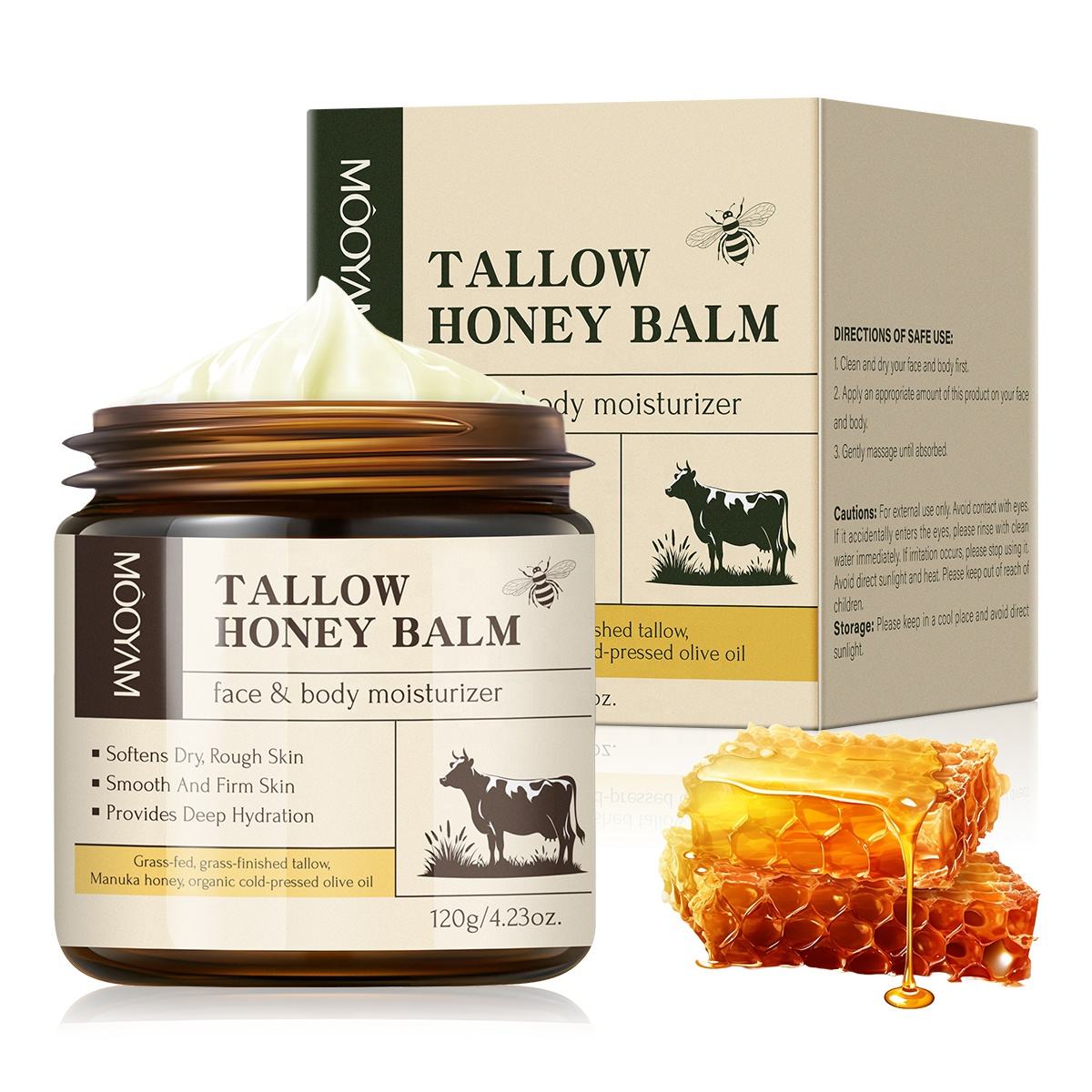
1. Why go waterless
Removing water removes the need for a preservative system, reduces the risk of microbial growth and often simplifies the regulatory file. It also concentrates the formula: every ingredient is felt on the skin, so a cheap filler is more obvious than it would be in an emulsion. Waterless formulas hide nothing, which is both their appeal and their difficulty.
The category also carries expectations. Consumers expect a balm to melt on contact, to spread without dragging and to leave a finish rather than a film. Those expectations are set by texture, and texture in an anhydrous system is entirely a function of the wax and oil blend.
2. Wax and oil systems
The structural backbone is usually a combination of waxes with different melting points. A single wax gives a sharp melt curve and a balm that feels either too hard or too soft. Blending two or three waxes widens the plastic range and makes the texture more forgiving.
Typical components include beeswax or its synthetic equivalents for structure, candelilla or carnauba for hardness and gloss, and softer butter-like materials for spreadability. The ratio matters more than the individual choice: a small increase in a high-melting wax can turn a soft balm into a stick.
Oil phase and crystallisation
Oils differ in their tendency to crystallise. Some, particularly those with a high saturated fatty acid content, form visible grains over time. Graininess is usually a crystallisation problem, not a contamination problem, and it is solved by adjusting the oil blend or the cooling profile rather than by adding more wax.
Cooling rate has a large effect on crystal size. Fast cooling in a cold room produces small crystals and a smooth surface; slow cooling allows larger crystals to form. For poured balms, the pour temperature and the ambient temperature of the filling room should both be specified.
3. Texture, thermal behaviour and climate
A balm that feels right at twenty degrees may collapse at thirty-five. Thermal behaviour has to be tested against the markets where the product will be sold, not the lab. A drop test at elevated temperature, typically a few days at forty degrees, shows whether the structure holds.
Shear also matters. A balm poured into a jar sets differently from one poured into a stick, because the cooling surface area differs. If the same bulk is used for both formats, each needs its own fill temperature and its own stability data.
4. Preservation, packaging and compatibility
Anhydrous does not mean sterile. Water ingress from wet fingers, condensation or a humid filling room can create local conditions for microbial growth. Anhydrous products still need a preservation strategy, even if it is a light one, and the filling environment should be controlled to keep moisture out.
Packaging compatibility is the other half. Oils migrate into some plastics and soften them; essential oils can attack adhesives and liners; a jar with a poor seal allows the product to sweat. Sweating is usually a packaging and temperature story rather than a formula failure. Run a compatibility test with the final pack at elevated temperature before committing to a mould.
5. Testing and claims
Stability testing for anhydrous formats should include appearance, texture, odour and weight loss, plus a check for oil migration at the pack interface. Weight loss is a useful early indicator of a poor seal. Microbiological testing is still appropriate, particularly for products applied with fingers.
Claims should stay with what the format can demonstrate: occlusivity, comfort, a reduced ingredient list. The strongest claim an anhydrous balm can make is a short, transparent ingredient list, and it is also the easiest to substantiate. Anything resembling a therapeutic statement belongs outside the cosmetic framework.
Anhydrous formats reward brands willing to invest in the boring parts: wax ratio trials, cooling profiles, pack compatibility and heat testing. Texture is the product in this category, and texture is engineered, not decorated.
Formats are listed on the product range page, production conditions are described under workshop, company background is on the about us page, and specific projects can be discussed through the tallow balm product page or contact.
Simple formats are rarely simple projects.
Frequently asked questions
Can you produce Anhydrous Balms and Ointment Formats under our own brand?
Anhydrous Balms and Ointment Formats is handled as a private label project: you bring the brand and the market position, we cover formula, bulk, filling and packing. Existing bases can be adjusted for texture, fragrance and active level, or we develop from a new brief. Tooling and artwork belong to you, and our name does not appear on the pack.
What is the minimum order quantity?
MOQ is set by net fill per unit, not by category:
| Net fill | MOQ |
|---|---|
| < 15 ml/g | 5,000 pcs |
| 15-50 ml/g (50 included) | 3,000 pcs |
| 50-200 ml/g (200 included) | 2,000 pcs |
| > 200 ml/g | 1,000 pcs |
Several SKUs in one project can share a production run to reach the threshold, and a smaller trial order is possible once the formula is approved.
How long do samples and bulk production take?
Samples take 7-10 working days from a confirmed brief, or 10-15 days when a new mould or artwork is involved. Bulk runs 25-35 days after sample approval and packaging arrival. Repeat orders with an unchanged formula usually move faster.
Which certificates and documents come with the shipment?
The plant runs under GMPC and ISO 22716 with a 100,000-class cleanroom. Each shipment can include COA, MSDS, the full INCI list, stability data and microbiological reports. For the EU we support CPSR and PIF paperwork; for other markets we prepare the file set your importer asks for.
Can we change the formula, fragrance or packaging?
Yes. Texture, viscosity, fragrance, colour and active percentage are adjustable within regulatory limits. Packaging can be sourced by you or by us: tubes, airless bottles, jars, sachets and aluminium foil bags, with silkscreen, hot stamping or label application.
What information do you need to quote?
Category and target function, quantity per SKU, packaging direction, destination market and launch date. With that we reply within 24 hours on business days with feasibility, MOQ and a price range. An NDA can be signed before formulas are discussed.
Need this produced? Talk to the factory.
Wangsha Bio has run OEM/ODM production since 2006: 60,000 sqm plant, 17 lines, 100,000-class cleanroom, GMPC and ISO 22716 certified. Send your brief and we reply within 24 hours on business days with feasibility, MOQ and a price range.
Email lucky@moksha-bio.com | Product range | Workshop