
 Qingyuan moksha Biotechnology Co., Ltd


Body care is a category where the formula is simple and the consumer judgement is severe. A body lotion that takes ninety seconds to absorb will be abandoned regardless of how good the ingredient list looks. Body products are bought on after-feel, and after-feel is decided by the emollient system long before any active is considered. This article covers how to build that system, how to structure a butter, and which checks catch the failures that only appear at scale.
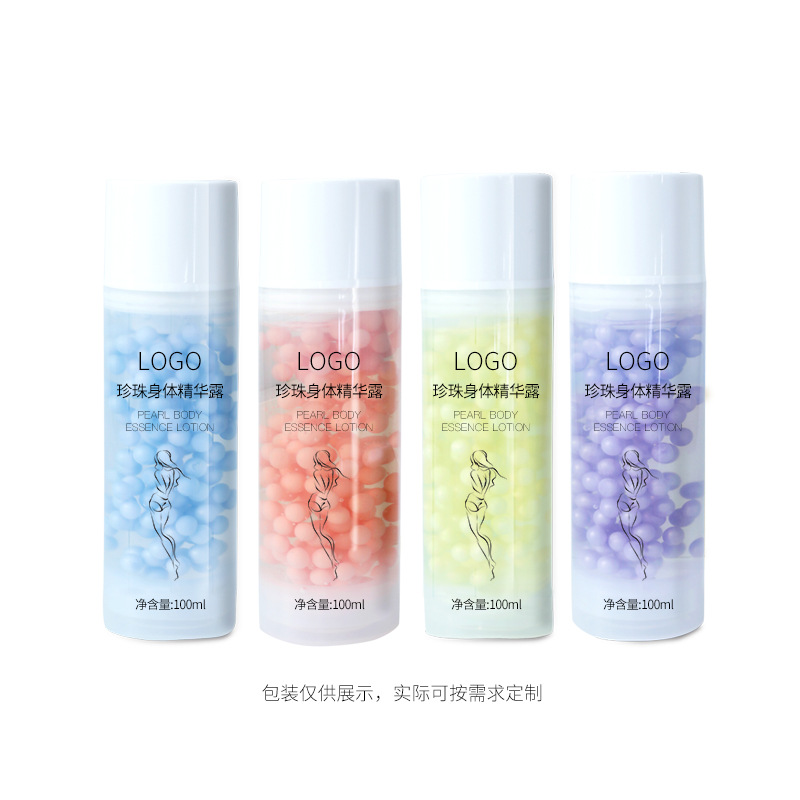
1. Start from the brief: absorption speed versus richness
Body care briefs usually ask for two things that pull in opposite directions: fast absorption and lasting richness. A lotion that absorbs in thirty seconds is built on light esters and a high water phase; a butter that still feels present after eight hours is built on butters, waxes and occlusives. Deciding which of the two the product is really selling lets the rest of the formula follow logically.
A practical split is by season and body zone. Summer and daytime products lean light, with 5% to 10% emollient; winter and night products lean rich, with 15% to 25%. An emollient load under 10% reads as a lotion while above 15% it reads as a cream, and consumers notice that difference immediately.
2. Emollient selection and spreadability
Emollients do different jobs. Light esters such as isopropyl myristate or caprylic/capric triglyceride spread easily and absorb quickly. Vegetable oils bring fatty acid profiles and marketing stories but vary in oxidation stability. Silicones provide slip and a dry after-feel. Blending two or three emollient types gives better spreadability than pushing a single emollient to a high percentage.
Spreadability also depends on the oil phase viscosity. A high-viscosity oil reduces the amount of work needed to spread but can feel heavy. Measuring spreadability on a bench with a fixed-weight sample and a glass plate gives a repeatable number that correlates well with panel feedback.
3. Structuring with butters and waxes
Shea, cocoa and mango butters give richness and body, but each behaves differently. Shea is soft and can turn grainy if it is heated above its stability point and cooled slowly; cocoa butter is hard and brittle; mango butter sits in between. Shea butter that has been overheated and slow-cooled will re-crystallise in the jar, and the grain is visible to the consumer.
Waxes add structure and raise the melt point. A small addition of 1% to 3% of a soft wax improves body without making the product drag. Above 3% total wax, a body butter starts to feel waxy on the skin and the residue becomes noticeable.
4. Emulsifier and stabiliser choice
Most body lotions are oil-in-water systems stabilised by a combination of a primary emulsifier and a co-emulsifier that builds a lamellar gel network. That network is what gives the product its yield value and prevents creaming. A lamellar gel network is what stops a body lotion from thinning out over eighteen months, and it is cheaper to build than to fix later.
Polymeric thickeners such as carbomer or xanthan gum adjust viscosity but do not replace the lamellar structure. Relying on polymer alone usually produces a lotion that feels slippery and loses viscosity at elevated temperature. Polymers adjust the flow, the emulsifier system provides the stability, and confusing the two leads to products that thin in summer.
5. Filling, packaging and stability checks
Body lotions are filled cold or warm depending on viscosity, into bottles, tubes or jars. Air entrapment during filling is a common defect that shows up as a foamy surface in a jar. De-aerating the bulk before filling prevents the surface foam that fails visual inspection.
Stability testing should include three months at 40C, cycling between 4C and 40C, and a freeze-thaw cycle, all in the final pack. Beyond that, check for phase separation at the top, viscosity drift, colour change and odour change. Running stability in the final pack rather than a glass jar is essential, because migration from the pack is one of the more common causes of late-stage failures.
Reference body care formats are listed in the product range, filling and bulk handling are described on the workshop page, company background is on the about us page, and project briefs can be submitted through contact.
Frequently asked questions
Can you produce Body Lotions and Body Butters under our own brand?
Body Lotions and Body Butters is handled as a private label project: you bring the brand and the market position, we cover formula, bulk, filling and packing. Existing bases can be adjusted for texture, fragrance and active level, or we develop from a new brief. Tooling and artwork belong to you, and our name does not appear on the pack.
What is the minimum order quantity?
MOQ is set by net fill per unit, not by category:
| Net fill | MOQ |
|---|---|
| < 15 ml/g | 5,000 pcs |
| 15-50 ml/g (50 included) | 3,000 pcs |
| 50-200 ml/g (200 included) | 2,000 pcs |
| > 200 ml/g | 1,000 pcs |
Several SKUs in one project can share a production run to reach the threshold, and a smaller trial order is possible once the formula is approved.
How long do samples and bulk production take?
Samples take 7-10 working days from a confirmed brief, or 10-15 days when a new mould or artwork is involved. Bulk runs 25-35 days after sample approval and packaging arrival. Repeat orders with an unchanged formula usually move faster.
Which certificates and documents come with the shipment?
The plant runs under GMPC and ISO 22716 with a 100,000-class cleanroom. Each shipment can include COA, MSDS, the full INCI list, stability data and microbiological reports. For the EU we support CPSR and PIF paperwork; for other markets we prepare the file set your importer asks for.
Can we change the formula, fragrance or packaging?
Yes. Texture, viscosity, fragrance, colour and active percentage are adjustable within regulatory limits. Packaging can be sourced by you or by us: tubes, airless bottles, jars, sachets and aluminium foil bags, with silkscreen, hot stamping or label application.
What information do you need to quote?
Category and target function, quantity per SKU, packaging direction, destination market and launch date. With that we reply within 24 hours on business days with feasibility, MOQ and a price range. An NDA can be signed before formulas are discussed.
Need this produced? Talk to the factory.
Wangsha Bio has run OEM/ODM production since 2006: 60,000 sqm plant, 17 lines, 100,000-class cleanroom, GMPC and ISO 22716 certified. Send your brief and we reply within 24 hours on business days with feasibility, MOQ and a price range.
Email lucky@moksha-bio.com | Product range | Workshop