Qingyuan moksha Biotechnology Co., Ltd


Most brand owners visiting a contract manufacturer leave with an audit report, and most audit reports end with a list of findings. What happens to that list separates a dependable supplier from a risky one, and the difference has a name: CAPA, corrective and preventive action. A factory without findings is rare; a factory that closes findings properly is the one worth keeping. This guide explains how findings, root causes and CAPA records work, and what buyers should ask to see.
Why Audits End in a Findings List
An audit compares what the quality system says against what the factory does, on the day of the visit. Perfect alignment is unusual, so auditors record deviations as findings and grade them by risk: critical issues that affect product safety, major issues that affect system reliability, and minor observations. The grading matters more than the count, because ten minor paperwork notes and one cleaning failure are not the same problem.
Buyers sometimes regard any finding as a red flag, which pushes factories towards polished rather than honest audits. A factory that documents its own deviations and fixes them is usually safer than one with an immaculate file and no CAPA history at all. An empty findings history deserves as much scrutiny as a full one.
How to Read a Finding
A well-written finding states the requirement, the observed gap and the evidence, in that order. Poorly written findings lump several issues into one line, which makes closure impossible to verify. Ask the factory to restate each finding in requirement-gap-evidence form before any corrective work begins.
For each finding, the response has two layers: what will be done about the specific batch or record, and what will change so the same gap cannot recur. Facilities and practices behind a competent quality system are described in the workshop overview.
Root cause: the part most responses skip
The commonest weak response attributes every finding to human error and promises retraining. Retraining is rarely a root cause fix, because if one operator forgot a step, the system that allowed the step to be forgotten is still in place. A root cause that blames a person without explaining the system is an unfinished root cause.
Corrective Versus Preventive Action
Corrective action fixes the instance; preventive action fixes the pathway that produced the instance. Cleaning a shared sieve after finding cross-contamination is corrective; changing the cleaning schedule, adding a verification step and updating the batch record template is preventive. CAPA that stops at correction buys one clean batch; prevention buys the next hundred.
Buyers should ask to see both layers in writing, together with the evidence of completion: revised documents, training records where genuinely relevant, and photographs or records showing the change in place. Manufacturer credentials and quality documentation are summarised on the about us page.
Verification and Closure
A finding is closed when the fix is verified, not when the response is filed. Verification can be a follow-up visit, a document review or a check at the next routine audit. Set a deadline and a verification method for every finding, because undated CAPA lists quietly become decoration.
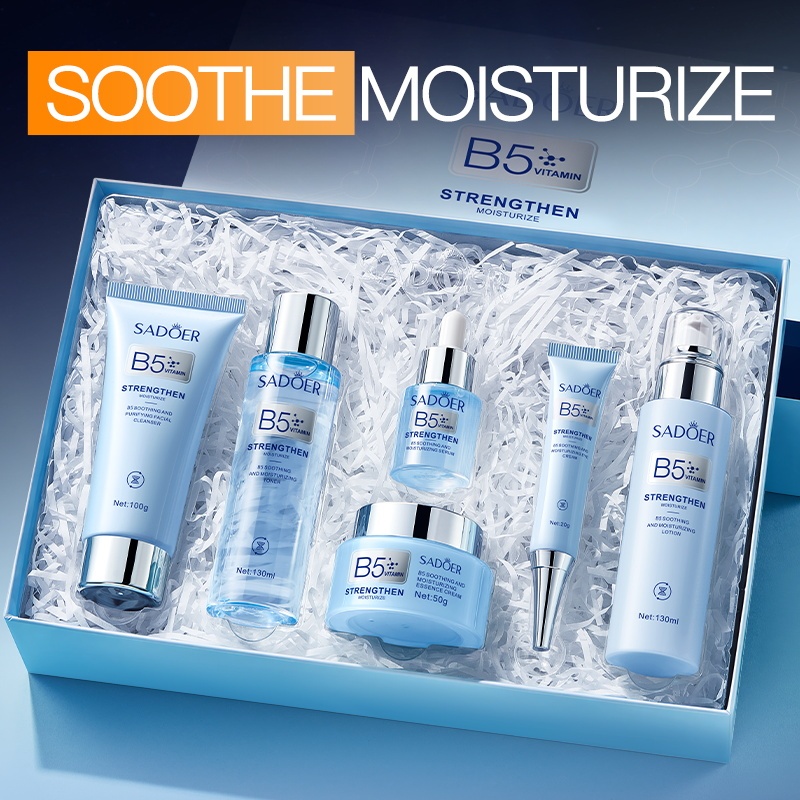
Trends matter as much as single findings: the same issue recurring across quarters signals a system that patches rather than fixes. Request a simple CAPA log summarising open items, ages and closures, which any competent factory maintains already. A product line managed under this discipline is shown in this soothing set reference.
What Buyers Should Put in Place
Three clauses make CAPA enforceable in a supply agreement: a fixed response window for audit findings, a verification method agreed in advance, and a right to escalate repeat findings to a re-audit or a production hold. Escalation rights turn the audit report from a formality into an instrument.
The wider range is listed in the product range, and project briefs can be submitted through the contact page.
Audit findings are not an insult to a factory; they are the maintenance schedule of its quality system. Read the grading, insist on real root causes, demand both corrective and preventive layers, and verify closure on a date. That discipline, more than any certificate on the wall, is what protects a brand's products in the long run.
Frequently asked questions
Can you produce Audit Findings and CAPA in Cosmetic Products under our own brand?
Audit Findings and CAPA in Cosmetic Products is handled as a private label project: you bring the brand and the market position, we cover formula, bulk, filling and packing. Existing bases can be adjusted for texture, fragrance and active level, or we develop from a new brief. Tooling and artwork belong to you, and our name does not appear on the pack.
What is the minimum order quantity?
MOQ is set by net fill per unit: under 15 ml/g 5,000 pcs; 15-50 ml/g 3,000 pcs; 50-200 ml/g 2,000 pcs; above 200 ml/g 1,000 pcs. Several SKUs in one project can share a production run to reach the threshold.
How long do samples and bulk production take?
Samples take 7-10 working days from a confirmed brief, or 10-15 days when a new mould or artwork is involved. Bulk runs 25-35 days after sample approval and packaging arrival. Repeat orders with an unchanged formula usually move faster.
Which certificates and documents come with the shipment?
The plant runs under GMPC and ISO 22716 with a 100,000-class cleanroom. Each shipment can include COA, MSDS, the full INCI list, stability data and microbiological reports. For the EU we support CPSR and PIF paperwork; for other markets we prepare the file set your importer asks for.
Can we change the formula, fragrance or packaging?
Yes. Texture, viscosity, fragrance, colour and active percentage are adjustable within regulatory limits. Packaging can be sourced by you or by us: tubes, airless bottles, jars, sachets and aluminium foil bags, with silkscreen, hot stamping or label application.
What information do you need to quote?
Category and target function, quantity per SKU, packaging direction, destination market and launch date. With that we reply within 24 hours on business days with feasibility, MOQ and a price range. An NDA can be signed before formulas are discussed.
Need this produced? Talk to the factory.
Wangsha Bio has run OEM/ODM production since 2006: 60,000 sqm plant, 17 lines, 100,000-class cleanroom, GMPC and ISO 22716 certified. Send your brief and we reply within 24 hours on business days with feasibility, MOQ and a price range.
Email lucky@moksha-bio.com | Product range | Workshop