Qingyuan moksha Biotechnology Co., Ltd


Heat protection sprays became a fixture of hair care shelves as flat irons and curling wands spread worldwide. The promise is simple and the chemistry behind it is less so: a thin film that buffers hair from a styling tool running far above the temperature water boils at. Many private label buyers regard the category as a fragranced leave-in, and their products feel like it. A heat protection spray is a materials product first, and a fragrance product second. This article explains film formers, carriers, dosage and testing.
What Heat Actually Does to Hair
Styling tools reach temperatures that first drive off water, then begin altering the protein structure of the hair fibre. The visible results are dullness, roughness and, with repeated exposure, breakage. Damage accumulates, which is why the protection claim is about reducing further harm rather than restoring anything. Heat protection is a prevention story, and prevention stories need their evidence framed carefully.
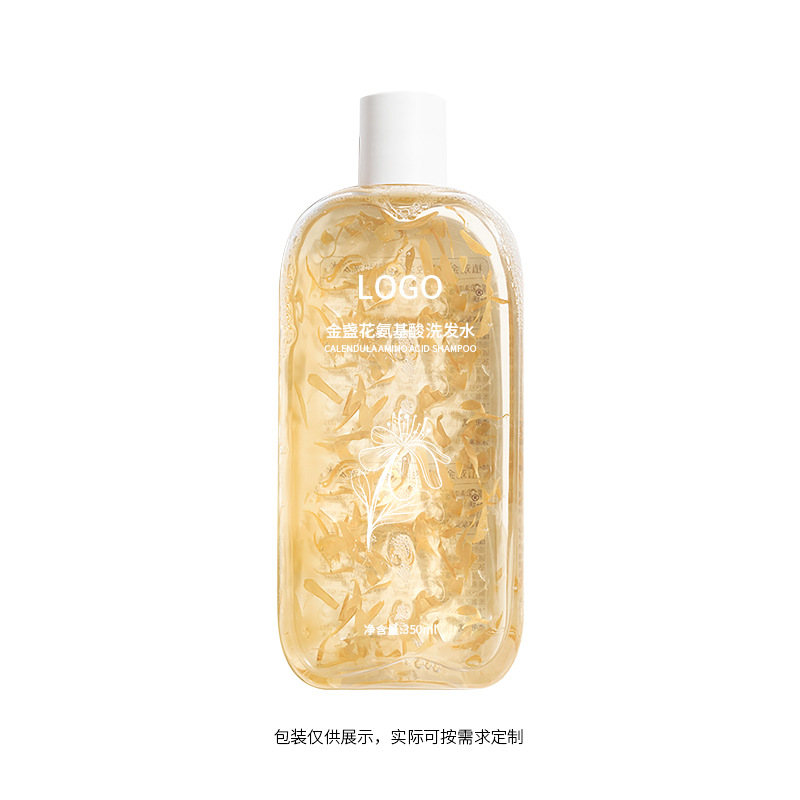
Colour-treated and chemically processed hair is more vulnerable, which conveniently matches the highest-value consumer segments. Position the product for the hair that needs it, and the claim writes itself. Care routines for processed hair appear alongside this calendula amino acid shampoo format.
Film Formers: The Working Core
The functional ingredient class is film formers, polymers that deposit a thin layer on the fibre and slow heat transfer while holding moisture near the surface. Some also carry conditioning benefits, which blurs the line with leave-in conditioners. The polymer choice decides whether the spray protects the hair or just makes it feel softer before the iron touches it.
Spray behaviour adds constraints: the polymer must stay soluble in the carrier, survive the pump, and not build up over repeated use. Build-up turns a hero product into a complaint magnet within weeks. Test a full usage cycle, not a single application, because week four is where films start to show their residue.
Carrier Systems and Spray Feel
Most heat sprays are hydroalcoholic or water-light systems chosen for fast drying. A wet mist under a hot iron causes steam, which consumers read as damage, even when it is not. Dry the mist before the iron arrives, and half the perceived quality of the product is solved.
Oil-mist formats exist and pair well with coarser hair types, but they trade drying speed for slip and shine. The carrier decision should follow the target hair type rather than cost alone. Fine hair wants a fast-drying light film; thick hair tolerates and often prefers an oilier carrier. Leave-in oil formats for contrast can be seen in this caviar pearl essence shampoo category page.
Dosage Logic on Real Hair
Consumers under-apply. A few spritzes on the top layer leave the under-layers bare, so real-world protection depends on spray pattern and run-on behaviour as much as formula. A wider, finer spray pattern protects more hair than a stronger polymer. Evaluating on a realistic head of hair, sectioned and styled, is the only dose test that matters.
Supporting the Claim With Tests
Credible support comes from instrumented studies on hair tresses or swatches: comparing treated and untreated samples after repeated heating cycles, looking at colour change, protein leakage and mechanical strength. The test design should mirror the consumer habit, not the laboratory habit, or the numbers will not survive scrutiny.
Claims language stays descriptive: helps protect against heat from styling tools, reduces the look of damage caused by heat styling. Promises about repairing broken fibres drift into treatment language and should be avoided. Keep the verb protective, and the claim stays cosmetic in every major market. Broader claim-substantiation context is covered in the news section.
Packaging and Line Fit
Hydroalcoholic systems need cans and seals that limit evaporation, and fine-mist pumps cost more than standard ones. Matching the pump to the viscosity and the alcohol load is a small decision with visible consequences on the shelf. The sprayer is part of the formula, and it belongs in the quotation, not in the afterthoughts.
For brands, heat sprays slot naturally beside shampoos and masks as a styling-adjacent attach product. Launch it as the third step of a routine, and it sells the other two. Manufacturing and QC context appears on the workshop page, project discussion starts at the contact page, and detailed requirements can go through the inquiry form.
Heat protection rewards brands that take the polymer seriously. Choose the film for the hair type, dry fast, dose realistically, and the product earns its shelf space.
Frequently asked questions
Can you produce Heat Protection Hair Sprays under our own brand?
Heat Protection Hair Sprays is handled as a private label project: you bring the brand and the market position, we cover formula, bulk, filling and packing. Existing bases can be adjusted for texture, fragrance and active level, or we develop from a new brief. Tooling and artwork belong to you, and our name does not appear on the pack.
What is the minimum order quantity?
MOQ is set by net fill per unit: under 15 ml/g 5,000 pcs; 15-50 ml/g 3,000 pcs; 50-200 ml/g 2,000 pcs; above 200 ml/g 1,000 pcs. Several SKUs in one project can share a production run to reach the threshold.
How long do samples and bulk production take?
Samples take 7-10 working days from a confirmed brief, or 10-15 days when a new mould or artwork is involved. Bulk runs 25-35 days after sample approval and packaging arrival. Repeat orders with an unchanged formula usually move faster.
Which certificates and documents come with the shipment?
The plant runs under GMPC and ISO 22716 with a 100,000-class cleanroom. Each shipment can include COA, MSDS, the full INCI list, stability data and microbiological reports. For the EU we support CPSR and PIF paperwork; for other markets we prepare the file set your importer asks for.
Can we change the formula, fragrance or packaging?
Yes. Texture, viscosity, fragrance, colour and active percentage are adjustable within regulatory limits. Packaging can be sourced by you or by us: tubes, airless bottles, jars, sachets and aluminium foil bags, with silkscreen, hot stamping or label application.
What information do you need to quote?
Category and target function, quantity per SKU, packaging direction, destination market and launch date. With that we reply within 24 hours on business days with feasibility, MOQ and a price range. An NDA can be signed before formulas are discussed.
Need this produced? Talk to the factory.
Wangsha Bio has run OEM/ODM production since 2006: 60,000 sqm plant, 17 lines, 100,000-class cleanroom, GMPC and ISO 22716 certified. Send your brief and we reply within 24 hours on business days with feasibility, MOQ and a price range.
Email lucky@moksha-bio.com | Product range | Workshop