Qingyuan moksha Biotechnology Co., Ltd


Every new skincare brand hits the same fork early on: OEM, ODM, or pure private label from stock. The three routes differ in who owns the formula, how fast you launch, what the minimum order looks like, and how defensible your product line becomes later. Choosing the route is a business decision first and a technical decision second; the brands that struggle usually picked a route their stage of growth could not support. This article compares the three honestly.
OEM: You Bring the Formula
In OEM manufacturing, the brand owns or commissions the formula and the factory produces it to specification. The route suits brands with existing formulas, in-house development, or a marketing story that depends on a unique composition. OEM gives you the strongest asset ownership: the formula, its documents and its improvements all accrue to you.
The costs are longer development time, testing expenses, and responsibility for formulation risk. You will iterate with the factory's chemists through several sampling rounds before locking the bulk standard. OEM is the right answer when the formula itself is the moat, and the wrong answer when you need shelf presence within a quarter. Facilities that support custom development are shown on the workshop page.
ODM: The Factory's Formula Library
With ODM, you choose from the factory's developed formulations and have them adapted to your brand: fragrance, colour, active levels and packaging all adjustable. Development time shrinks from months to weeks. ODM trades some exclusivity for speed and lower upfront cost, which is exactly the trade most new brands should make.
Ask the factory which formulas can be made exclusive and which are open stock sold to many buyers. A good middle path is stock-base-plus-modification: a proven base with a signature active or texture change that you co-own. Modified stock formulas hit the sweet spot between speed and differentiation for most first lines. Current formula directions can be browsed in the product catalogue.
Private Label from Stock
Pure private label means stock formulas, stock packaging, your logo. Launch can happen in weeks, order quantities are small, and unit prices are predictable. The trade-off is sameness: if you change nothing, your product is functionally identical to other buyers' orders.
Stock routes work well for validating a category, filling a line quickly, or testing a channel. Many successful brands started stock, identified their best sellers through real sell-through, then reinvested into OEM versions of those winners. Use stock as a market listening tool; upgrade the winners to custom later.
Comparing Cost, MOQ and Timeline
Rough practical ranges: stock private label starts at a few thousand units per SKU; ODM with modification typically sits at mid-range MOQs with four to eight weeks of sampling and production; full OEM development adds months of formulation and testing. Budget honestly for the whole chain: packaging tooling, testing documents and freight often exceed what first-time buyers expect.
Also compare the hidden costs: document support for your target markets, stability and challenge testing, and after-launch batch consistency. A factory's willingness to share specifications and test reports tells you a lot about long-term fit. The cheapest unit price is rarely the cheapest total cost once quality variance and document gaps are counted. Company background and certifications are summarised on the about page.
How to Decide
Three questions settle most decisions. How fast must you launch? How different must the product be from competitors? And who will own the formula in three years? Match the route to the answers: speed favours stock, differentiation favours ODM-plus-modification, and long-term asset building favours OEM.
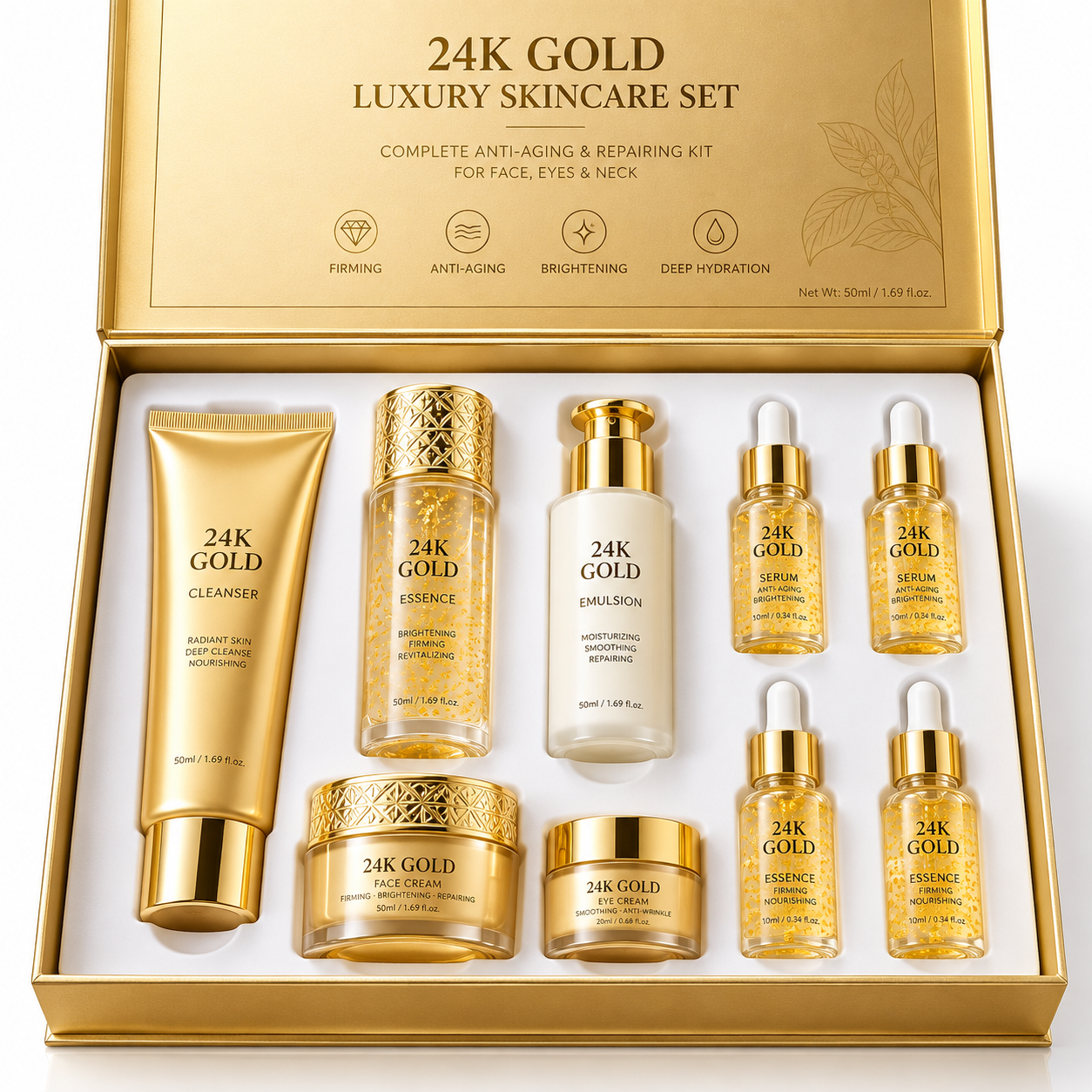
A practical hybrid used by many importers: launch the first wave on stock and ODM bases, gather sell-through data for two quarters, then move the top two items into custom development. An example of a factory-direct skincare range suitable for this path is shown on the product page. Route planning discussions can start via the contact page.
In summary, the three routes are tools for different stages, not competitors. Pick the route your capital, timeline and brand strategy can actually support, and switch routes deliberately as the brand matures.
Frequently asked questions
Can you produce OEM, ODM and Private Label Explained under our own brand?
OEM, ODM and Private Label Explained is handled as a private label project: you bring the brand and the market position, we cover formula, bulk, filling and packing. Existing bases can be adjusted for texture, fragrance and active level, or we develop from a new brief. Tooling and artwork belong to you, and our name does not appear on the pack.
What is the minimum order quantity?
MOQ is set by net fill per unit: under 15 ml/g 5,000 pcs; 15-50 ml/g 3,000 pcs; 50-200 ml/g 2,000 pcs; above 200 ml/g 1,000 pcs. Several SKUs in one project can share a production run to reach the threshold.
How long do samples and bulk production take?
Samples take 7-10 working days from a confirmed brief, or 10-15 days when a new mould or artwork is involved. Bulk runs 25-35 days after sample approval and packaging arrival. Repeat orders with an unchanged formula usually move faster.
Which certificates and documents come with the shipment?
The plant runs under GMPC and ISO 22716 with a 100,000-class cleanroom. Each shipment can include COA, MSDS, the full INCI list, stability data and microbiological reports. For the EU we support CPSR and PIF paperwork; for other markets we prepare the file set your importer asks for.
Can we change the formula, fragrance or packaging?
Yes. Texture, viscosity, fragrance, colour and active percentage are adjustable within regulatory limits. Packaging can be sourced by you or by us: tubes, airless bottles, jars, sachets and aluminium foil bags, with silkscreen, hot stamping or label application.
What information do you need to quote?
Category and target function, quantity per SKU, packaging direction, destination market and launch date. With that we reply within 24 hours on business days with feasibility, MOQ and a price range. An NDA can be signed before formulas are discussed.
Need this produced? Talk to the factory.
Wangsha Bio has run OEM/ODM production since 2006: 60,000 sqm plant, 17 lines, 100,000-class cleanroom, GMPC and ISO 22716 certified. Send your brief and we reply within 24 hours on business days with feasibility, MOQ and a price range.
Email lucky@moksha-bio.com | Product range | Workshop