
 Qingyuan moksha Biotechnology Co., Ltd


Vegan and cruelty-free labels keep growing on skincare shelves, and for many younger consumers they are now default expectations rather than premium extras. For private label buyers the topic is more technical than it looks: both claims touch sourcing, formulation, documentation and testing policy. Get the two claims right and they become durable brand assets; get them wrong and a single screenshot can undo the whole story. Here is a working guide.
What Vegan Means in a Formula
Vegan means no animal-derived ingredients anywhere in the formula. The usual offenders are not exotic: gelatin, beeswax, lanolin, carmine, squalene of shark origin, collagen and keratin of animal origin, and some esters or fatty alcohols processed from animal fats. The audit question is not whether the ingredient list looks vegan, but whether every raw material has a documented vegetable, mineral or synthetic origin.
Traceability sits with the raw material suppliers, so the factory's supplier qualification files do the heavy lifting. For each animal-risk material, ask for the origin declaration and keep it on file. A vegan formula is proven with a folder of origin statements, not with a checkbox on a quotation. Stock vegan options can be reviewed in the product catalogue.
Cruelty-Free and the Testing Question
Cruelty-free refers to animal testing policy. As notification pathways expanded and mandatory animal testing was removed for many ordinary cosmetics, the regulatory picture shifted, but certification schemes still examine the whole chain: formula development, commissioned tests and market authorisations in other countries. The claim is about policy and evidence across the chain; a single test waiver in one market can break a certification.
Buyers should confirm: no animal testing commissioned by the brand or factory; no reliance on third-party data generated through animal testing where the scheme forbids it; and alignment of the policy with every market where the product will be sold. Plan the claim together with the market list, because the two constrain each other.
Certification Routes and Documents
Several schemes certify vegan or cruelty-free status, each with its own audit scope, fees and logo rules. Some brands choose self-declaration with public documentation; others pay for third-party logos that consumers recognise. Third-party logos cost money but transfer trust instantly on a crowded shelf; self-declaration demands flawless internal records.
Whichever route is chosen, the factory must be able to support the audit: raw material origin files, production records showing no cross-use of animal-derived materials, and, where relevant, dedicated production scheduling. Ask the factory for a mock audit before paying any certification body; missing files surface early that way. Factory background and quality systems are outlined on the about page.
Formulation Adjustments
Going vegan changes real texture decisions. Animal-derived collagen and keratin are replaced by vegan collagen equivalents, fermented actives or plant extracts; beeswax gives way to candelilla or rice bran wax in balms; lanolin is substituted with plant butters or synthetic equivalents. Every substitution changes melt point, slip and absorption, so the sensory profile must be re-validated, not assumed.
Colour cosmetics carry extra risk in carmine shades, and gelling agents occasionally hide animal origins. Production scheduling matters too: shared lines need cleaning validation between animal-derived and vegan batches, or dedicated slots. Vegan manufacturing is a scheduling discipline as much as a formula discipline. Line capabilities are visible on the workshop page.
Claims and Market Positioning
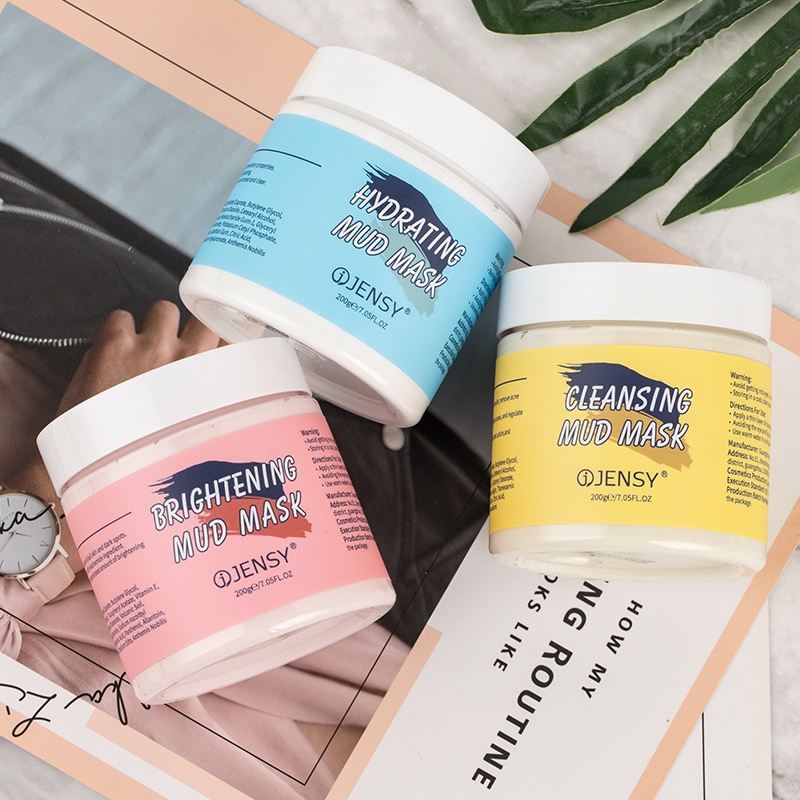
On labels, keep the claims factual and specific: state what the formula contains or avoids and, when certified, show the licence number. Avoid vague purity language that regulators read as absolute claims. A ready example of a vegan-positioned stock mask is listed on the product page. Specific, documented, certifiable claims age well; vague green language ages badly.
Pair the claims with real formulation strengths, such as plant-based soothing systems or sustainable packaging, so the story has substance beyond the badge. Sampling for a vegan line can start through the inquiry page.
In summary, vegan and cruelty-free positioning rewards brands that regard the topic as a supply chain project. Document the origins, align the testing policy with your market list, and re-validate the textures after every substitution, and the claims will hold up anywhere.
Frequently asked questions
Can you produce Vegan and Cruelty-Free Claims under our own brand?
Vegan and Cruelty-Free Claims is handled as a private label project: you bring the brand and the market position, we cover formula, bulk, filling and packing. Existing bases can be adjusted for texture, fragrance and active level, or we develop from a new brief. Tooling and artwork belong to you, and our name does not appear on the pack.
What is the minimum order quantity?
MOQ is set by net fill per unit: under 15 ml/g 5,000 pcs; 15-50 ml/g 3,000 pcs; 50-200 ml/g 2,000 pcs; above 200 ml/g 1,000 pcs. Several SKUs in one project can share a production run to reach the threshold.
How long do samples and bulk production take?
Samples take 7-10 working days from a confirmed brief, or 10-15 days when a new mould or artwork is involved. Bulk runs 25-35 days after sample approval and packaging arrival. Repeat orders with an unchanged formula usually move faster.
Which certificates and documents come with the shipment?
The plant runs under GMPC and ISO 22716 with a 100,000-class cleanroom. Each shipment can include COA, MSDS, the full INCI list, stability data and microbiological reports. For the EU we support CPSR and PIF paperwork; for other markets we prepare the file set your importer asks for.
Can we change the formula, fragrance or packaging?
Yes. Texture, viscosity, fragrance, colour and active percentage are adjustable within regulatory limits. Packaging can be sourced by you or by us: tubes, airless bottles, jars, sachets and aluminium foil bags, with silkscreen, hot stamping or label application.
What information do you need to quote?
Category and target function, quantity per SKU, packaging direction, destination market and launch date. With that we reply within 24 hours on business days with feasibility, MOQ and a price range. An NDA can be signed before formulas are discussed.
Need this produced? Talk to the factory.
Wangsha Bio has run OEM/ODM production since 2006: 60,000 sqm plant, 17 lines, 100,000-class cleanroom, GMPC and ISO 22716 certified. Send your brief and we reply within 24 hours on business days with feasibility, MOQ and a price range.
Email lucky@moksha-bio.com | Product range | Workshop
