Qingyuan moksha Biotechnology Co., Ltd


Hair removal is one of those categories that never trends loudly but never stops selling either. Creams, waxes and strips serve a steady, year-round demand across body care shelves, and margins are respectable because the formulations scale well. For private label buyers, the category's real challenge is not the chemistry but the safety discipline around it; this is a product that touches skin aggressively by design. Here is how to approach it.
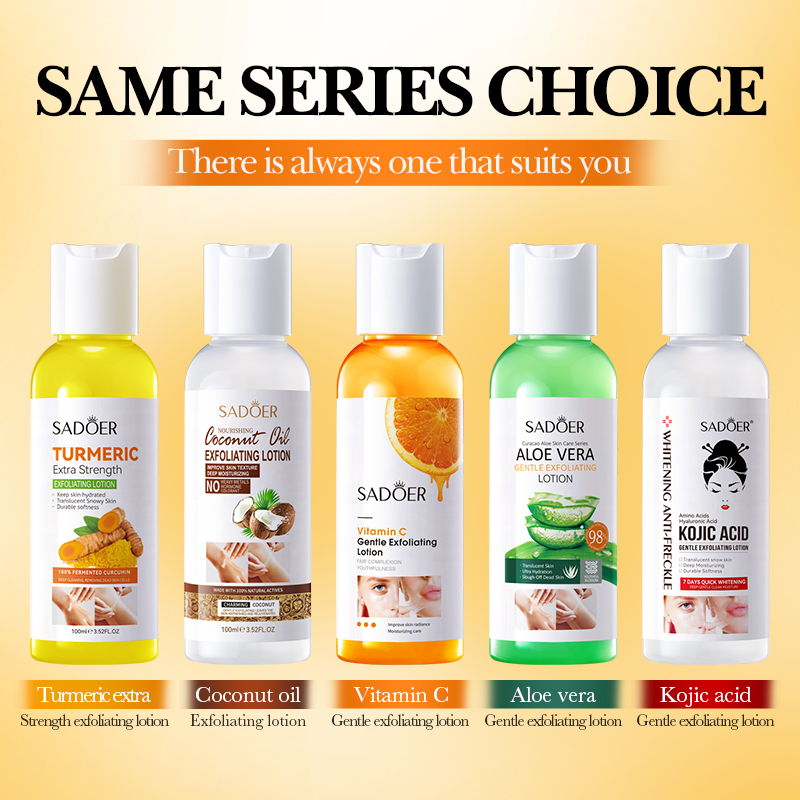
Category Overview: Creams, Waxes and Strips
Depilatory creams work by chemically weakening the keratin in hair so it wipes away at skin level. Wax and strip systems work mechanically, pulling hair from the follicle opening. They demand different factories: creams need emulsification and tube filling; waxes need melting, pouring and roll-on or strip packaging. Decide the format first, because it determines the production line, the packaging and even the shipping profile of the whole item.
For a first entry, depilatory creams are the pragmatic choice: standard emulsion equipment, familiar tube packaging, and formulation platforms that cosmetic plants already run. Creams are the format where a skincare-oriented factory adds value quickly. Body care formats available for line building can be browsed in the product catalogue.
Formulation Basics
The functional core of a depilatory cream is a keratolytic agent system, historically based on thioglycolate salts in an alkaline medium. Supporting systems matter as much: emollients buffer the drying effect of alkalinity, thickeners keep the cream in place during the contact window, and fragrance systems mask the characteristic sulphur note. The craft is balancing hair-weakening power against skin comfort during a fixed contact time, usually three to ten minutes.
Gentler positioning variants shorten the contact window or soften the keratolytic load, trading some speed for mildness. Enzyme-based systems exist but remain niche at mass scale. Position the product by contact time and comfort, not by raw power claims; speed is easy to match, tolerance reputation is not.
Safety Testing and Instructions
This is where the category demands discipline. Every pack should carry patch-testing guidance, a defined maximum contact time, and clear warnings for facial use, broken skin and sensitive areas. Safety assessment must cover the alkaline exposure scenario, and compatibility with the packaging must be verified since high pH is aggressive toward some materials. The instruction leaflet is part of the formula: ambiguous directions create most of the category's incidents.
Buyers should ask factories for: challenge testing, high-pH packaging compatibility data, and dermatological patch test results on the finished formula. A supplier who cannot show these documents is not ready for this category, whatever the price. Quality infrastructure can be reviewed on the workshop page.
Filling, Packaging and Shelf Life
Depilatory creams are typically filled into aluminium or high-barrier laminate tubes because the actives can interact with standard plastics over time. Viscosity must hold through the shelf life so the cream does not separate or thin out in warm warehouses. Stability testing should include hot-cycle conditions and container compatibility in the same protocol, not as separate checkboxes.
Sealing and crimping quality deserve inspection attention, since leaks of an alkaline cream damage everything nearby. Packaging failures in this category cost more than in ordinary lotions, because the content is reactive.
Positioning and Line Building
Positioning options: a fast-acting body cream for the mass channel, a gentle low-odour version for sensitive positioning, or a set pairing the cream with a post-care soothing lotion that rebalances skin after use. The post-care companion is an easy basket-size lift. A body-care product that fits the soothing companion role is shown on the product page. Selling removal and aftercare as one ritual is the category's most reliable upsell.
Sampling and safety documentation requests can go through the inquiry page, and market-specific questions through the contact page.
In summary, hair removal rewards buyers who respect its safety core. Lock the instructions, verify the packaging against high pH, and build the line around comfort rather than speed, and the category delivers steady, defensible sales.
Frequently asked questions
Can you produce Hair Removal Products under our own brand?
Hair Removal Products is handled as a private label project: you bring the brand and the market position, we cover formula, bulk, filling and packing. Existing bases can be adjusted for texture, fragrance and active level, or we develop from a new brief. Tooling and artwork belong to you, and our name does not appear on the pack.
What is the minimum order quantity?
MOQ is set by net fill per unit: under 15 ml/g 5,000 pcs; 15-50 ml/g 3,000 pcs; 50-200 ml/g 2,000 pcs; above 200 ml/g 1,000 pcs. Several SKUs in one project can share a production run to reach the threshold.
How long do samples and bulk production take?
Samples take 7-10 working days from a confirmed brief, or 10-15 days when a new mould or artwork is involved. Bulk runs 25-35 days after sample approval and packaging arrival. Repeat orders with an unchanged formula usually move faster.
Which certificates and documents come with the shipment?
The plant runs under GMPC and ISO 22716 with a 100,000-class cleanroom. Each shipment can include COA, MSDS, the full INCI list, stability data and microbiological reports. For the EU we support CPSR and PIF paperwork; for other markets we prepare the file set your importer asks for.
Can we change the formula, fragrance or packaging?
Yes. Texture, viscosity, fragrance, colour and active percentage are adjustable within regulatory limits. Packaging can be sourced by you or by us: tubes, airless bottles, jars, sachets and aluminium foil bags, with silkscreen, hot stamping or label application.
What information do you need to quote?
Category and target function, quantity per SKU, packaging direction, destination market and launch date. With that we reply within 24 hours on business days with feasibility, MOQ and a price range. An NDA can be signed before formulas are discussed.
Need this produced? Talk to the factory.
Wangsha Bio has run OEM/ODM production since 2006: 60,000 sqm plant, 17 lines, 100,000-class cleanroom, GMPC and ISO 22716 certified. Send your brief and we reply within 24 hours on business days with feasibility, MOQ and a price range.
Email lucky@moksha-bio.com | Product range | Workshop