Qingyuan moksha Biotechnology Co., Ltd


Heavy metals rarely appear in cosmetic formulas on purpose, yet regulatory recalls keep finding them: lead traces in lip products, arsenic in clays, cadmium in pigments. For private label buyers, contaminant control is not an exotic laboratory topic but a supply-chain discipline that protects the brand before a market surveillance programme does. Contaminant risk is managed through raw material qualification, not through testing finished goods at the end.
Where the Metals Come From
Metals enter cosmetics mainly through raw materials, not through the manufacturing process. Mineral-derived ingredients such as clays, micas and titanium dioxide carry geogenic traces; pigments and lakes can carry process residues; botanical extracts inherit whatever the soil contained. Water and equipment contribute little when systems are maintained. The supplier of each mineral or pigment grade is the single most important control point in the whole chain.
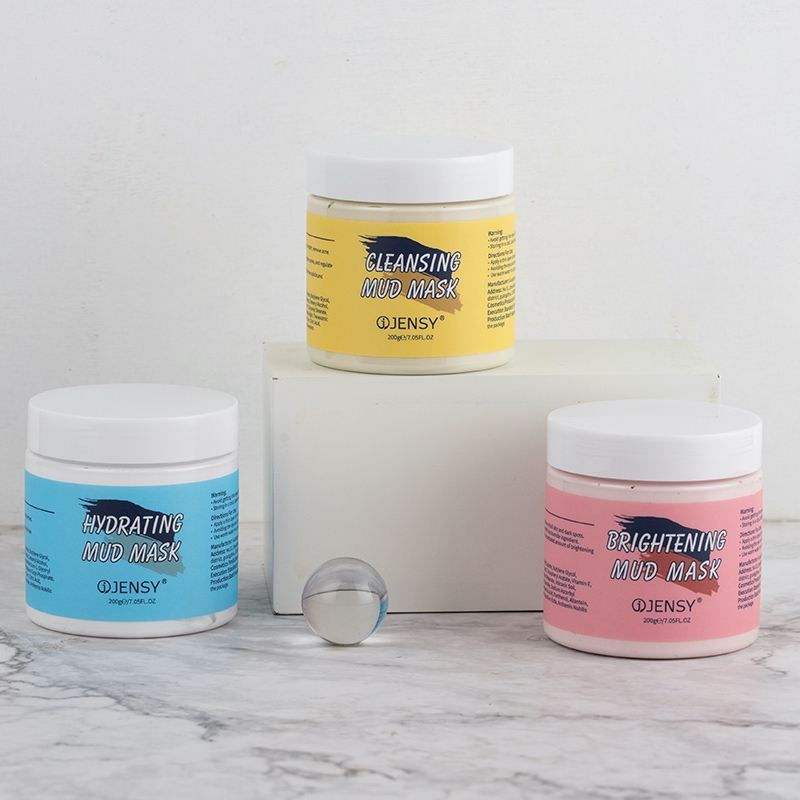
Colour cosmetics and mineral mask formats concentrate the risk because their formulas are largely built from mined materials. A clay or mud mask, such as the one on the product page, lives or dies by the purity documentation of its clay source. Ask for the quarry or refining source, not just the certificate of analysis.
How Limits Are Set
Regulatory frameworks handle heavy metals as unavoidable traces with strict ceilings rather than as permitted additives. Limits differ by market, and colour cosmetics often sit under tighter scrutiny because of oral exposure scenarios for lip products. Design the specification to the strictest market you plan to sell in, because one qualification stream is cheaper than several.
Testing methods matter as much as limits. ICP-MS with validated sample digestion gives defensible results, while cheaper screening methods can miss speciation questions such as arsenic species. Insist on method names and detection limits in every report, because a certificate without a method is only a piece of paper.
Screening Raw Materials Efficiently
Full heavy metal panels on every incoming lot are neither necessary nor economically sensible. The practical architecture grades materials by risk: mineral and pigment inputs receive full panels per lot or per quarry batch, botanical extracts receive periodic verification plus supplier audits, and low-risk synthetics rely on supplier declarations with spot checks. Risk-graded screening keeps coverage high and costs proportionate.
Supplier qualification closes the loop. Audits should verify where the material originates, how batches are blended, and whether the supplier tests per lot or per year. A supplier who tests every lot and retains the data is worth a price premium in this category. Audit practices are described on the workshop page.
Finished Product Verification
Even with graded screening, finished goods deserve periodic confirmation panels, timed to high-risk launches and annual cycles. Market surveillance programmes in several regions sample retail products directly, and a brand caught unprepared pays in recalls and headlines. Periodic finished-goods panels are the insurance premium for the surveillance risk no brand can fully control.
Documentation should be organised for speed: source certificates, incoming test records and finished-goods reports linked by batch numbers, retrievable within hours rather than days. Contaminant documentation is only as strong as its traceability, so audit the archive, not just the newest certificate.
The Buyer Question List
Buyers evaluating a manufacturer should ask four questions: which raw material grades carry full heavy metal panels, which markets the specifications are aligned to, how often finished goods are confirmed, and whether contaminant records can be retrieved by batch on request. Four clear answers tell you more about product safety than any single certificate in a tender pack. Cooperation starts on the contact page, an RFQ form is on the Inquiry page, and further compliance notes are in the news section.
Frequently asked questions
Can you produce Heavy Metal Testing and Contaminant Control in Private Label Cosmetics under our own brand?
Heavy Metal Testing and Contaminant Control in Private Label Cosmetics is handled as a private label project: you bring the brand and the market position, we cover formula, bulk, filling and packing. Existing bases can be adjusted for texture, fragrance and active level, or we develop from a new brief. Tooling and artwork belong to you, and our name does not appear on the pack.
What is the minimum order quantity?
MOQ is set by net fill per unit: under 15 ml/g 5,000 pcs; 15-50 ml/g 3,000 pcs; 50-200 ml/g 2,000 pcs; above 200 ml/g 1,000 pcs. Several SKUs in one project can share a production run to reach the threshold.
How long do samples and bulk production take?
Samples take 7-10 working days from a confirmed brief, or 10-15 days when a new mould or artwork is involved. Bulk runs 25-35 days after sample approval and packaging arrival. Repeat orders with an unchanged formula usually move faster.
Which certificates and documents come with the shipment?
The plant runs under GMPC and ISO 22716 with a 100,000-class cleanroom. Each shipment can include COA, MSDS, the full INCI list, stability data and microbiological reports. For the EU we support CPSR and PIF paperwork; for other markets we prepare the file set your importer asks for.
Can we change the formula, fragrance or packaging?
Yes. Texture, viscosity, fragrance, colour and active percentage are adjustable within regulatory limits. Packaging can be sourced by you or by us: tubes, airless bottles, jars, sachets and aluminium foil bags, with silkscreen, hot stamping or label application.
What information do you need to quote?
Category and target function, quantity per SKU, packaging direction, destination market and launch date. With that we reply within 24 hours on business days with feasibility, MOQ and a price range. An NDA can be signed before formulas are discussed.
Need this produced? Talk to the factory.
Wangsha Bio has run OEM/ODM production since 2006: 60,000 sqm plant, 17 lines, 100,000-class cleanroom, GMPC and ISO 22716 certified. Send your brief and we reply within 24 hours on business days with feasibility, MOQ and a price range.
Email lucky@moksha-bio.com | Product range | Workshop