Qingyuan moksha Biotechnology Co., Ltd


Choosing a private label skincare manufacturer is one of the few decisions that shapes everything downstream: your cost structure, your launch timeline, and how many quality complaints you handle in the first year. Most brands compare suppliers on price per unit, but the real differentiator is whether the factory's quality system can hold a specification across repeated batches. This checklist is written for brand owners and sourcing managers who want to audit a factory properly instead of taking a sales deck at face value.
Step 1: Verify the documents before you visit
Start with paperwork, because it is cheap to check and eliminates weak candidates quickly. Ask for the cosmetics production licence, the GMPC or ISO 22716 certificate with a valid expiry date, the registered scope of manufacturing, and the list of product categories the factory is approved to produce. A licence covering leave-on skincare is not automatically valid for rinse-off products or for items marketed to children.
Then request a recent third-party test report for a product similar to yours, covering microbial limits, heavy metals and preservative content. If a factory cannot produce one on request, treat that as information about how it keeps records.
Step 2: Walk the plant in process order
A useful audit follows the material flow rather than the sales tour: raw material warehouse, weighing and dispensing, emulsifying, filling, secondary packaging, and finally the QC laboratory. At each station look for the same three things — segregation, identification and records.
Raw materials should be labelled with name, lot number, receiving date and expiry date, and stored off the floor. The weighing room should have calibrated scales and a second-person verification signature. In the filling room, check the differential pressure gauge and the maintenance log for the air handling system. Those two records tell you more about microbial control than any brochure.
Our own production workshop follows this same flow, and customers are welcome to walk it end to end before placing an order.
Step 3: Ask how samples are developed
Sampling tells you how the factory thinks. A strong supplier will ask about your target market, price band, skin type, desired texture, packaging format and intended claims before proposing a formula. A weak one will email a stock formula within 24 hours and ask you to pick a fragrance.
Ask specifically about stability testing. Accelerated testing at 40°C for three months plus freeze-thaw cycling is a reasonable baseline for leave-on products. Also ask about preservative efficacy testing and compatibility testing with your chosen packaging, because a formula that is stable in a jar may fail in an airless pump or a dropper bottle.
Step 4: Clarify commercial terms early
Before you commit to a formula, settle the items that cause disputes later:
- Minimum order quantity, quoted separately for bulk and for finished goods
- Whether packaging is sourced by the factory or by you, and who carries the risk of a print defect
- Fill weight tolerance and how overfill is charged
- Lead time for the first production batch, not the repeat order
- Formulation ownership, and whether you may transfer the formula to another manufacturer
Formulation ownership deserves its own clause. If you commissioned and paid for the development, the agreement should state that you hold the right to use the formula. Without that language, switching suppliers later can mean starting from zero.
Step 5: Test the communication, not just the plant
Send a technical question in writing and see how long a substantive answer takes. A factory that replies with a formulation rationale within a day will be easier to work with for years than one that only responds when an order is on the table.
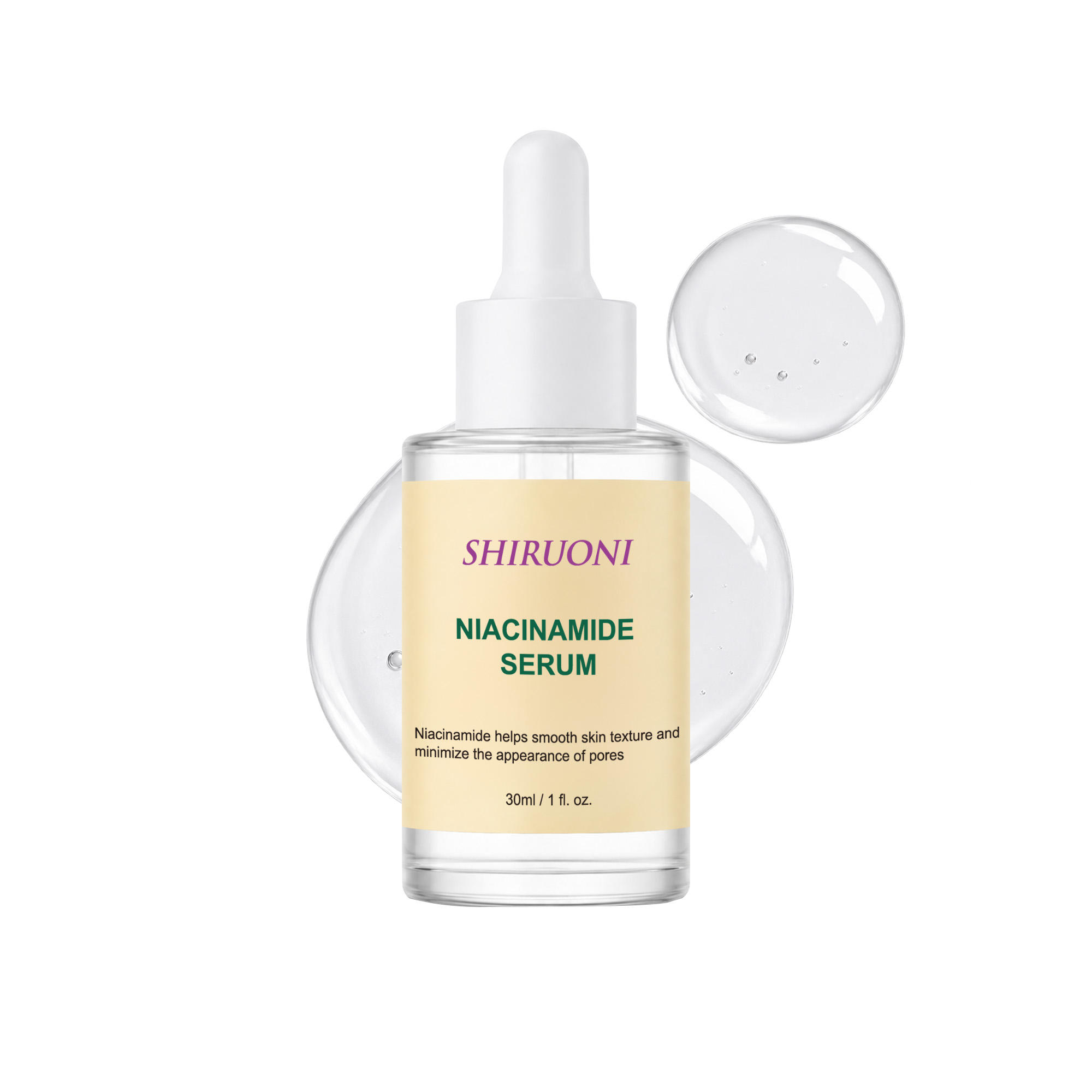
If you want to benchmark against our process, review the OEM product range, read our company profile, or send your brief through the inquiry form. A representative product in this category is our oil control facial serum.
The short version: audit the system, not the sample. A perfect sample from a factory with weak records is a risk. An adequate sample from a factory with strong records is a platform you can build a product line on.
Frequently asked questions
Can you produce How to Choose a Private Label Skincare Manufacturer under our own brand?
How to Choose a Private Label Skincare Manufacturer is handled as a private label project: you bring the brand and the market position, we cover formula, bulk, filling and packing. Existing bases can be adjusted for texture, fragrance and active level, or we develop from a new brief. Tooling and artwork belong to you, and our name does not appear on the pack.
What is the minimum order quantity?
MOQ is set by net fill per unit, not by category:
| Net fill | MOQ |
|---|---|
| < 15 ml/g | 5,000 pcs |
| 15-50 ml/g (50 included) | 3,000 pcs |
| 50-200 ml/g (200 included) | 2,000 pcs |
| > 200 ml/g | 1,000 pcs |
Several SKUs in one project can share a production run to reach the threshold, and a smaller trial order is possible once the formula is approved.
How long do samples and bulk production take?
Samples take 7-10 working days from a confirmed brief, or 10-15 days when a new mould or artwork is involved. Bulk runs 25-35 days after sample approval and packaging arrival. Repeat orders with an unchanged formula usually move faster.
Which certificates and documents come with the shipment?
The plant runs under GMPC and ISO 22716 with a 100,000-class cleanroom. Each shipment can include COA, MSDS, the full INCI list, stability data and microbiological reports. For the EU we support CPSR and PIF paperwork; for other markets we prepare the file set your importer asks for.
Can we change the formula, fragrance or packaging?
Yes. Texture, viscosity, fragrance, colour and active percentage are adjustable within regulatory limits. Packaging can be sourced by you or by us: tubes, airless bottles, jars, sachets and aluminium foil bags, with silkscreen, hot stamping or label application.
What information do you need to quote?
Category and target function, quantity per SKU, packaging direction, destination market and launch date. With that we reply within 24 hours on business days with feasibility, MOQ and a price range. An NDA can be signed before formulas are discussed.
Need this produced? Talk to the factory.
Wangsha Bio has run OEM/ODM production since 2006: 60,000 sqm plant, 17 lines, 100,000-class cleanroom, GMPC and ISO 22716 certified. Send your brief and we reply within 24 hours on business days with feasibility, MOQ and a price range.
Email lucky@moksha-bio.com | Product range | Workshop